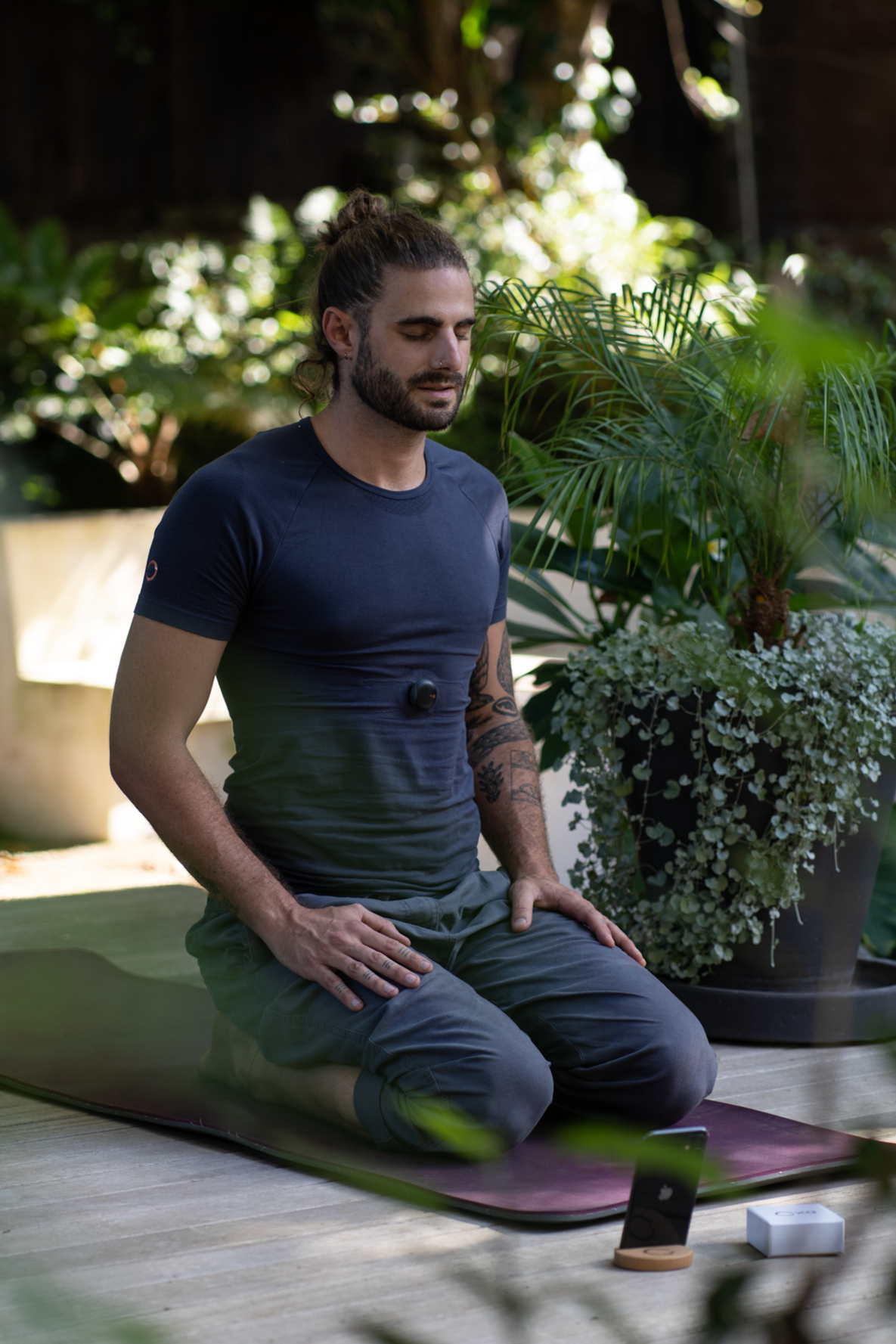
The Strength Journal: Record, Adjust, and Grow Your Nutrition

Keep a short, consistent nutrition-and-strength journal: record what you eat, how you train, and how you feel each day to spot patterns, accelerate gains, and reduce injury risk—start today by committing to 6–8 weeks of entries and review weekly.

Why journaling nutrition helps strength building

Journaling turns subjective experience into usable data: when you log meals, protein intake, training load, sleep, and mood, you can identify what supports strength gains and what stalls them. Athletes and recreational lifters who track training and nutrition consistently tend to progress faster because they can spot patterns and make targeted adjustments.

What to record (simple, repeatable format)

Start with a one‑page daily entry that you can complete in 3–5 minutes. Key fields: date; workout (exercise, sets, reps, load); meals and approximate protein grams; sleep hours; energy level; soreness; and one short note on recovery or stress. Keeping entries short increases adherence and gives you actionable trends to review weekly.

How journaling improves outcomes

  • Precision: You’ll see whether higher‑protein days align with better lifts or faster recovery.

  • Accountability: Writing down meals reduces drift from your plan.

  • Problem solving: Plateaus often reveal dietary or recovery gaps when you compare weeks.
    Over time, this practice converts vague impressions into measurable changes you can test and repeat.

Using your journal to plan cycles and tweaks

Every 4–6 weeks, review entries and ask: Did strength increase? Did soreness decrease? Did energy stay steady? If not, try one focused change for the next cycle—increase daily protein by 10–20 grams, adjust meal timing around workouts, or add an extra recovery day. Document the change and its effect; this experimental approach is how small, consistent improvements compound into meaningful strength gains. Strength training builds more than muscle—bone health and functional independence benefit too—so thoughtful nutrition matters for long‑term resilience.

Risks, supplements, and safety considerations

Be cautious with supplements: some ingredients are unregulated or unnecessary if your diet already meets needs. Prioritize whole foods and protein from real meals before adding supplements, and consult a healthcare professional for anything beyond basic whey or creatine. Keep a supplements log in your journal so you can link any changes in performance or side effects to specific products.

Quick starter plan (first 6 weeks)

  1. Week 1: Begin daily entries; record baseline lifts and typical meals.

  2. Weeks 2–3: Aim for 0.7–1.0 g protein per pound of bodyweight (adjust to goals); note energy and recovery.

  3. Weeks 4–6: Implement one change (protein, timing, sleep) and track outcomes.

Journaling is a low‑cost, high‑signal tool: it clarifies cause and effect, keeps you honest, and turns training into a series of testable experiments. Start small, stay consistent, and use your notes to make smarter, evidence‑based choices for stronger, healthier progress.

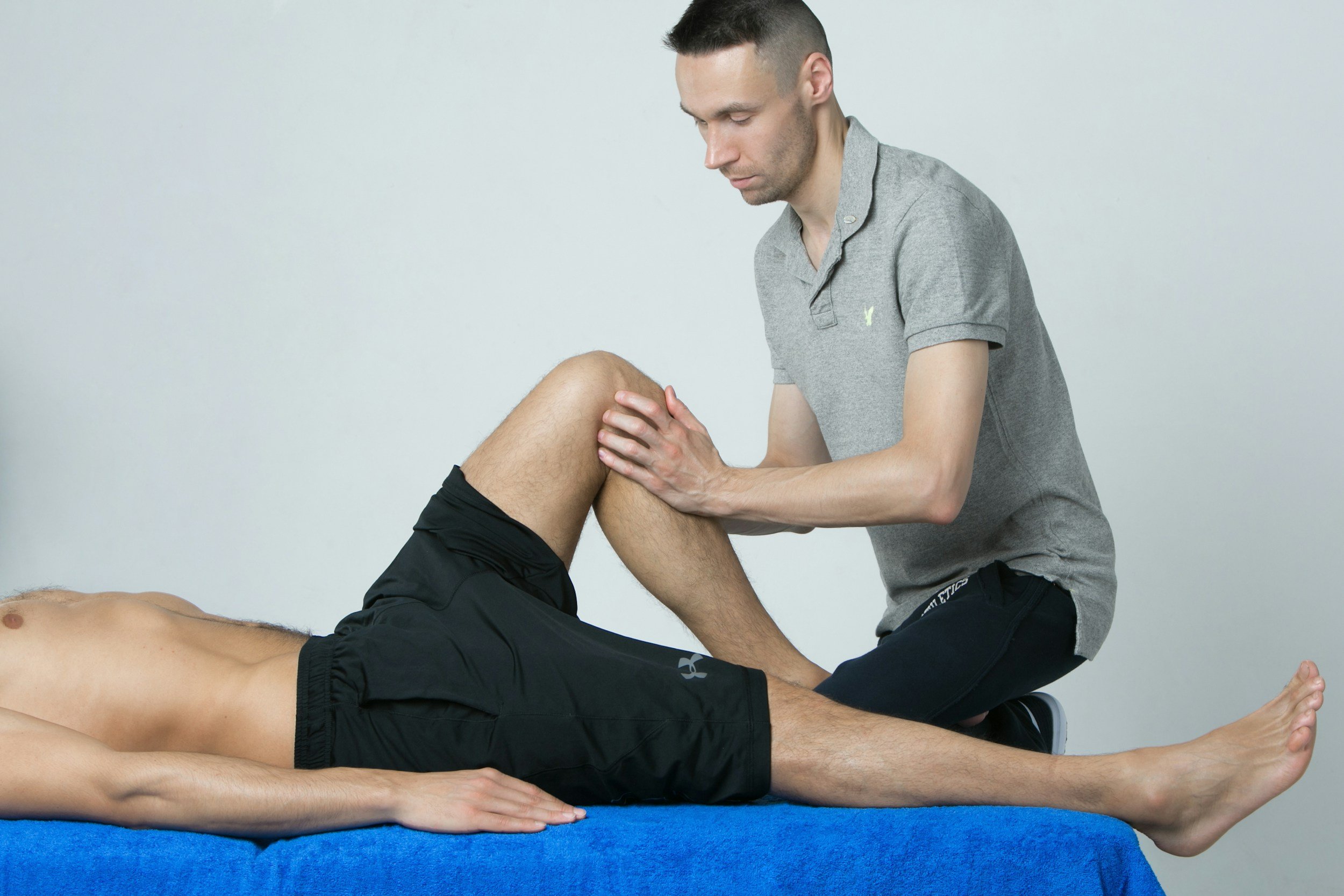
The Social Spark: How Community Supercharges Your Fitness Journey

We often think of fitness as a solo pursuit—early‑morning workouts, quiet yoga flows, or focused strength sessions. But there’s a powerful ingredient many people overlook: community. Your social life isn’t just a “nice to have” when it comes to wellness. It can be the very thing that keeps you consistent, motivated, and genuinely excited to move your body.

Humans are wired for connection. When we blend movement with meaningful relationships, something shifts. Exercise becomes less of a chore and more of a shared experience—one that fuels joy, accountability, and long‑term commitment.

Why Social Connection Boosts Fitness

A supportive social environment can transform your fitness routine in several ways:

  • Accountability feels natural when someone is expecting you to show up.

  • Motivation increases because shared goals create shared energy.

  • Movement becomes fun, not forced.

  • Confidence grows when you’re surrounded by people cheering you on.

  • Stress decreases, making it easier to stay consistent.

When you combine physical activity with community, you’re not just strengthening your body—you’re strengthening your sense of belonging.

Example 1: Yoga as a Shared Ritual

Yoga is often seen as an inward practice, but doing it in community adds a beautiful layer of connection. A weekly class with familiar faces can become a grounding ritual—one that blends breath, movement, and shared presence.

In a group setting:

  • You feel the collective calm as everyone settles onto their mats.

  • You’re inspired by others’ dedication and progress.

  • You’re more likely to try new poses when you feel supported.

  • You leave feeling not just stretched, but emotionally nourished.

For many people, the social aspect of yoga is what keeps them returning week after week. It becomes a sanctuary where movement and community meet.

Example 2: Rock Climbing and the Power of Partnership

Rock climbing is one of the clearest examples of how social connection elevates physical performance. Whether you’re bouldering or top‑roping, climbing is inherently collaborative.

You rely on:

  • A belay partner you trust

  • Friends who cheer you up the wall

  • Shared problem‑solving as you figure out routes together

  • Encouragement when you’re stuck or doubting yourself

Climbing gyms often feel like little communities—full of people swapping tips, celebrating victories, and laughing through the challenges. The social energy is contagious, and it pushes you to climb higher, try harder, and enjoy the process.

The Bigger Picture: Movement as Connection

When fitness becomes social, it stops being something you “have to do” and becomes something you get to do. It’s a chance to:

  • Build friendships

  • Strengthen trust

  • Share experiences

  • Celebrate progress

  • Feel part of something bigger

Whether it’s a yoga class, a climbing group, a walking club, or a weekend hike with friends, movement becomes a doorway into deeper connection—with others and with yourself.

Your social life can be one of your greatest wellness tools. When you surround yourself with people who value movement, joy, and growth, your fitness routine becomes more sustainable and more meaningful.

If you’re looking to reignite your motivation or bring more ease into your exercise habits, consider adding a social element. Join a class. Invite a friend. Try something new with a group. Let connection be the spark that keeps you moving.

The Mind–Body Bridge: How Physical Therapy Supports Mental Health

In recent years, the conversation around mental health has expanded beyond talk therapy and medication. More people are discovering what healers, movement practitioners, and ancient traditions have known for centuries: the body is not separate from the mind. When we support one, we inevitably support the other.

Physical therapy—often seen as purely orthopedic or injury‑focused—has quietly become one of the most powerful allies in mental well‑being. Through intentional movement, nervous system regulation, and hands‑on support, physical therapy offers a pathway back to balance, resilience, and embodied calm.

Why Movement Matters for the Mind

When the body is in pain or restricted, the nervous system shifts into protection mode. Muscles tighten, breathing becomes shallow, and stress hormones rise. Over time, this can create a loop where physical discomfort fuels emotional strain, and emotional strain fuels more physical discomfort.

Physical therapy interrupts that loop.

By restoring mobility, reducing pain, and improving strength and alignment, physical therapy helps the nervous system feel safe again. And when the nervous system feels safe, the mind can soften.

The Science Behind the Shift

Research continues to show that physical therapy can:

  • Reduce symptoms of anxiety and depression through structured movement and improved body awareness

  • Lower stress hormones by activating the parasympathetic (“rest and digest”) nervous system

  • Improve sleep quality, which directly influences emotional regulation

  • Increase confidence and agency, especially after injury or chronic pain

  • Enhance cognitive function through improved circulation and oxygenation

Movement is medicine—but it’s also communication. Every stretch, breath, and gentle strengthening exercise sends a message to the brain: You are safe. You are capable. You are healing.

A Therapy That Works From the Inside Out

One of the most powerful aspects of physical therapy is its emphasis on interoception—the ability to sense what’s happening inside your body. When people reconnect with their internal signals, they often experience:

  • A clearer sense of emotional boundaries

  • Greater resilience during stressful moments

  • A deeper understanding of what their body needs

  • A renewed trust in themselves

This is especially meaningful for individuals recovering from trauma, chronic stress, or long‑term pain. Physical therapy becomes not just a treatment, but a re‑education in how to inhabit the body with ease.

The Role of Touch and Therapeutic Presence

Many physical therapy modalities include hands‑on techniques such as soft‑tissue work, joint mobilization, or guided stretching. These aren’t just mechanical interventions—they’re relational ones.

Supportive, skilled touch can:

  • Calm the limbic system

  • Reduce feelings of isolation

  • Rebuild a sense of safety in the body

  • Encourage emotional release in a grounded, non‑verbal way

For some, this becomes the first step toward reconnecting with themselves after periods of overwhelm or disconnection.

A Holistic Approach to Healing

Physical therapy shines when it’s integrated into a broader wellness practice. Pairing it with yoga, breathwork, craniosacral therapy, or mindful walking can amplify the benefits and create a sustainable rhythm of care.

Think of it as tending a garden:

  • Physical therapy clears the weeds and strengthens the soil.

  • Mindfulness and breath nourish the roots.

  • Movement and daily rituals help everything bloom.

Together, they create a landscape where both body and mind can thrive.

Final Thoughts

Mental health is not just a psychological experience—it’s a full‑body one. Physical therapy offers a compassionate, evidence‑based way to support emotional well‑being through movement, alignment, and nervous system regulation.

For anyone navigating stress, anxiety, trauma recovery, or the emotional weight of chronic pain, physical therapy can be a grounding, empowering part of the healing journey. It reminds us that healing doesn’t always begin in the mind. Sometimes, it begins with a single breath, a gentle stretch, or the quiet reassurance of being supported.


If you’re craving a gentler way to unwind stress, release tension, and reconnect with your inner calm, Craniosacral Therapy (CST) offers a profoundly soothing path forward. Experience how subtle, therapeutic touch can help your body settle and your mind breathe again.

Soulful Sustenance: Simple Ways Food Supports Spiritual Growth

Diet and spirituality are deeply intertwined: what we eat can shape mental clarity, emotional balance, and ritual meaning, while spiritual practices can guide mindful, intentional eating that supports both body and soul.

Key considerations Clarifying questions Decision points

  • Considerations: cultural and religious traditions, dietary restrictions, health conditions, and personal beliefs.

  • Clarifying questions: Do you follow a spiritual tradition that prescribes certain foods or fasting practices? Are there medical needs that limit dietary choices? Do you want diet to support meditation, community ritual, or ethical values?

  • Decision points: choose whether to prioritize ritual alignment, physiological support (energy, digestion), or ethical consistency (sustainability, compassion).

How diet and spirituality connect

Across cultures, food is more than fuel; it is symbol, offering, and practice. Eating rituals mark transitions, express gratitude, and create communal bonds. At the same time, the physical effects of food—energy levels, inflammation, and gut health—shape mental clarity and emotional tone, which influence spiritual openness and focus. Intentional eating practices bridge these domains by aligning daily nourishment with inner values and spiritual aims.

Practical ways diet can support spiritual life

  • Mindful meals: Slow, attentive eating cultivates presence and deepens gratitude. Try a short breathing pause before meals to center attention.

  • Simplicity and clarity: Whole, minimally processed foods often support steadier energy and clearer meditation. Choose nutrient-dense meals that avoid heavy spikes and crashes.

  • Fasting and restraint: When practiced safely and intentionally, fasting can sharpen focus and create space for reflection. Always adapt fasting to health needs and seek medical advice if necessary.

  • Ritual and gratitude: Blessings, offerings, or a moment of thanks transform routine eating into spiritual practice and strengthen communal ties.

  • Ethical eating: Aligning food choices with values—compassion, sustainability, local sourcing—turns daily meals into moral practice and deepens meaning.

Designing a balanced approach

  • Start with intention: Define what you want food to support—clarity, compassion, ritual, or community.

  • Match practice to body: Combine spiritual aims with nutritional basics: adequate protein, fiber, hydration, and sleep.

  • Create simple rituals: A brief pre‑meal pause, mindful chewing, or a shared blessing can be powerful and sustainable.

  • Be flexible: Spiritual seasons change; adapt diet practices rather than enforcing rigid rules that cause stress.

Risks Limitations and cautions

  • Health first: Restrictive diets or prolonged fasting can harm people with medical conditions; consult a clinician before major changes.

  • Avoid moralizing food: Framing foods as “good” or “bad” can create shame and undermine spiritual aims of compassion and acceptance.

  • Cultural sensitivity: Respect diverse traditions and avoid appropriating practices without understanding their context.

When diet and spirituality are intentionally aligned, meals become more than calories—they become practices that nourish body, mind, and community. Start small: add one mindful ritual to your next meal and notice how attention, gratitude, and choice transform both your plate and your inner life.

Flow and Recovery: How Swimming and Rest Boost Physical and Mental Health

Swimming and rest form a natural partnership: the water builds strength, endurance, and calm, while rest and sleep allow the body and mind to repair, adapt, and grow stronger. When practiced together with intention, swimming and recovery create a sustainable routine that supports fitness, reduces stress, and improves overall well‑being.

Why swimming is uniquely beneficial

Swimming is low‑impact and full‑body. It strengthens the heart, lungs, and major muscle groups while minimizing joint stress, making it accessible across ages and fitness levels. The rhythmic breathing and steady motion of swimming also have calming effects on the nervous system, helping to lower anxiety and sharpen focus. Because it combines aerobic conditioning with gentle resistance, swimming improves endurance, mobility, and posture without the pounding of many land sports.

Why rest is essential

Rest is where progress happens. Exercise creates small stresses that signal the body to adapt; without adequate recovery, those stresses accumulate and lead to fatigue, injury, or stalled gains. Sleep in particular supports hormonal balance, muscle repair, immune function, and cognitive consolidation. Short, intentional rest days and good sleep habits let the benefits of swim training translate into lasting improvements rather than temporary strain.

How swimming and rest amplify each other

When paired deliberately, swimming and rest create a virtuous cycle. Swimming stimulates cardiovascular and neuromuscular adaptation; rest completes the repair and growth process. The calming effect of time in the water often improves sleep onset and quality, and better sleep enhances energy, mood, and motivation for consistent training. Alternating focused swim sessions with planned recovery days reduces inflammation, lowers injury risk, and preserves long‑term enthusiasm for movement.

A practical weekly approach

  • Frequency: Aim for 2–4 swim sessions per week, mixing easy aerobic swims with one session focused on technique or short intervals.

  • Recovery days: Schedule at least one full rest day and one active‑recovery day (gentle stretching, walking, or mobility work).

  • Sleep and routines: Keep a consistent bedtime, use a wind‑down routine after evening swims, and prioritize 7–9 hours of sleep when possible.

  • Listen and adjust: If persistent soreness or fatigue appears, reduce intensity or add an extra rest day rather than pushing through.

  • Hydration and nutrition: Replenish fluids and include protein and carbohydrates after longer sessions to support repair.

Risks and cautions

  • Overtraining: Too much intensity without rest increases injury and illness risk; recovery must match training load.

  • Medical clearance: People with cardiac conditions, uncontrolled asthma, or recent surgeries should consult a clinician before starting or intensifying swim training.

  • Mental‑health considerations: Use aquatic activity as a supportive practice, and seek professional help when addressing serious mood or trauma‑related issues.

Bringing it together

Swimming offers a rare combination of physical conditioning and nervous‑system soothing; rest gives those gains time to become durable. By planning swim sessions with recovery in mind—prioritizing sleep, scheduling rest days, and tuning into how your body feels—you create a balanced routine that strengthens the body, steadies the mind, and supports long‑term health. Start modestly, be consistent, and let the water and rest do the work together.

When Feelings Live in the Body: Reconnecting Sensation and Emotion

Many people feel stuck between their bodies and their minds — tension that won’t ease, emotions that show up as pain, or anxiety that lives in the chest and gut. This article explains somatoemotional health, why the body matters in mental health, and practical, safe ways to begin reconnecting sensation and feeling for deeper healing.

What somatoemotional health means

Somatoemotional health recognizes that emotions are embodied. Thoughts, memories, and stressors often register first as bodily sensations — tight shoulders, a heavy chest, stomach knots, or chronic pain. Rather than treating those sensations as separate from mental health, somatoemotional approaches listen to the body as a source of information and a pathway for change. This perspective reframes symptoms as meaningful signals rather than merely problems to suppress.

Why the body matters for mental health

  • Physiology shapes experience. The nervous system, hormones, and immune responses influence mood, attention, and resilience.

  • Unprocessed emotion becomes somatic. When feelings are avoided or cannot be expressed, they often persist as tension, pain, or dysregulation.

  • Embodied work complements talk therapy. Words can reframe meaning; the body can release held patterns that words alone cannot reach. Together they create more complete healing.

How somatic practices support recovery

Somatic practices aim to regulate the nervous system and increase interoceptive awareness — the ability to notice internal bodily signals. When the nervous system is calmer and more flexible, emotional reactivity decreases and cognitive clarity improves. Common benefits include reduced anxiety, improved sleep, less chronic tension, and greater capacity to tolerate difficult emotions.

Practical somatoemotional tools to try

Start with gentle, low‑risk practices and notice what changes in your body and mood.

  • Diaphragmatic breathing

    • Practice 5–10 minutes daily: inhale slowly into the belly for 4 counts, exhale for 6 counts.

    • Focus on lengthening the exhale to downshift the sympathetic response.

  • Body scan and interoceptive noticing

    • Spend 5–10 minutes scanning from feet to head, naming sensations without judgment.

    • Use neutral language: “warmth in the chest,” “tightness in the jaw.”

  • Grounding and orientation

    • Orient to the room: notice three things you can see, two you can touch, one you can hear.

    • This simple practice anchors attention and reduces overwhelm.

  • Gentle movement and release

    • Try slow yoga, walking, or guided movement to help discharge tension.

    • Move until you feel a small release, then rest and notice the aftereffect.

  • Safe touch and self‑soothing

    • Place a hand over the heart or belly for 30–60 seconds to provide calming input.

    • Use warmth, a weighted blanket, or a gentle massage if it feels soothing.

  • Micro‑practices for daily life

    • Pause for three deep breaths before responding to stress.

    • Take a 2‑minute shoulder roll or neck stretch during long work sessions.

Integrating somatic work with psychotherapy

For many people, the most effective path combines somatic practices with trauma‑informed psychotherapy. Talk therapy helps make sense of patterns and narratives; somatic work addresses the physiological habits that keep those patterns alive. When seeking a clinician, look for training in somatic modalities and trauma‑informed care, and prioritize consent, pacing, and safety in sessions.

Risks, limitations, and cautions

  • Re‑traumatization risk. Intense somatic work can surface strong memories or sensations. If you have a history of complex trauma, work with a trained, trauma‑informed professional.

  • Not a standalone cure. Somatic practices are powerful tools but are most effective as part of a broader plan that may include psychotherapy, medication, and medical care.

  • Medical evaluation first. New or unexplained pain should be evaluated by a medical provider before assuming it is purely emotional.

  • Stop if overwhelmed. If a practice increases distress, pause and choose a gentler approach or seek professional guidance.

How to begin safely

  • Start small. Five minutes of breathwork or a short body scan each day builds tolerance and awareness.

  • Track responses. Note changes in sleep, mood, and tension to see what helps.

  • Use structure. Pair somatic practices with therapy or a trusted teacher for guidance and accountability.

  • Be patient and compassionate. Embodied change unfolds gradually; kindness toward yourself accelerates progress.

Closing thoughts

Somatoemotional health invites a kinder, fuller way of healing by honoring the body as an active partner in mental health. By learning to notice sensation, regulate the nervous system, and integrate body‑focused practices with talk therapy, people often find relief from chronic tension, clearer emotional processing, and a deeper sense of wholeness. If you’re curious, begin with a few minutes of breath and a gentle body scan today and notice what shifts.

Post-Holiday Nutrition Reset Guide

The holidays often mean richer foods, irregular meals, more sugar and alcohol — all of which can leave you bloated, tired, and stressed. A gentle, sustainable reset beats crash diets: focus on consistent meals, balanced macronutrients, and small habit changes that reduce physiological stress and support digestion and mood.

Key considerations and decision points

  • Hydration first: start each day with water and add electrolytes if you drank heavily; hydration supports digestion and energy.

  • Meal rhythm: return to regular meal timing to stabilize blood sugar and cortisol.

  • Protein and fiber: prioritize lean protein and fiber-rich vegetables at each meal to reduce cravings and support gut recovery.

  • Mindful alcohol reduction: cut back gradually; even short breaks help liver and sleep quality.

  • Sleep and stress: prioritize 7–9 hours and add short breathing or movement breaks to lower cortisol and improve appetite regulation.

Practical 7‑Day Reset Plan

Day 1–2: Hydrate, eat simple whole foods (vegetables, lean protein, whole grains), and avoid added sugar.

Day 3–5: Reintroduce fermented foods (yogurt, kefir, sauerkraut) and fiber to support gut microbes.

Day 6–7: Add gentle movement, consistent sleep schedule, and a weekly meal plan to maintain momentum.

Small wins to track: number of glasses of water, protein at each meal, alcohol-free days, and sleep hours.

Why this works

Holiday patterns disrupt blood sugar, circadian rhythm, and liver workload. Supporting natural detox pathways (liver, gut) with whole foods and hydration is more effective and safer than extreme cleanses; the liver does most detox work, so support it with balanced nutrition rather than fasting or juice-only plans. Experts recommend resets that restore routine and reduce stress rather than punitive restrictionMSN+1.

Stress, Nutrition, and Recovery

Stress raises cortisol, which affects appetite, digestion, and sleep. Nutrition choices that stabilize blood sugar (protein + fiber) and regular meals help lower physiological stress, while sleep and short relaxation practices reduce emotional stress that drives overeating. Include magnesium-rich foods (leafy greens, nuts) and vitamin C (citrus, peppers) to support stress resilience.

Risks, limitations, and cautions

  • Avoid extreme detoxes or prolonged fasting; they can worsen stress and metabolic imbalance.

  • If you have diabetes, liver disease, or other medical conditions, consult a clinician before changing diet or alcohol intake.

  • Rapid weight-loss plans often backfire, increasing stress hormones and cravings.

Final tips

  • Start with one change (e.g., hydrate first thing) and build gradually.

  • Make it social: involve family or a wellness coach for accountability.

  • Be kind to yourself — recovery is biological, not moral.

Fitness Journaling: Tracking Your Path to Strength and Balance

Fitness journaling is the practice of recording workouts, nutrition, progress, and reflections in a dedicated notebook or app. More than just logging reps and sets, it’s about documenting your fitness journey, celebrating milestones, and staying accountable. By writing down your experiences, you create a personal record that highlights both achievements and areas for growth. This makes fitness journaling a powerful tool for anyone serious about workout tracking and long-term wellness.

The value of fitness journaling lies in its ability to bring clarity and motivation. When you consistently track workouts, sleep, and nutrition, you begin to see patterns that can guide smarter decisions. Progress written down becomes proof of effort, helping you stay consistent and inspired. Journaling also encourages mindfulness, allowing you to reflect on how your body feels and responds to different routines. For those seeking fitness journal benefits, this practice offers both structure and self-awareness.

The benefits extend beyond physical performance. Tracking improvements in strength, endurance, or flexibility builds confidence, while noting challenges helps identify areas for adjustment. Fitness journaling also supports emotional well-being, combining discipline with reflection. Many find that writing about their workouts reduces stress and enhances focus, making it a form of fitness self-care. By integrating fitness journaling for motivation into your routine, you create a holistic approach to health.

Starting a fitness journal is simple yet transformative. Choose a format—whether a notebook, planner, or fitness app—and begin logging workouts with details like exercises, sets, reps, and duration. Add lifestyle factors such as sleep, hydration, and mood to capture the bigger picture. Reflect weekly on challenges and wins, and set short-term and long-term goals. Over time, your journal becomes a guidebook of resilience and self-care—a reminder that fitness journaling is not just about numbers, but about storytelling your growth and celebrating the journey.


If you’re ready to explore these practices more deeply, a CST visit with Kristi can be a wonderful next step.

Therapy for Toxins: Natural Detox Methods for Wellness

Explore therapy for toxins and natural detox methods. Learn how nutrition, hydration, rest, and lifestyle practices support your body’s natural detox systems for better energy, immunity, and clarity.

What Are Toxins?

Toxins are harmful substances that can come from both external sources (pollution, chemicals, processed foods) and internal sources (stress hormones, metabolic byproducts). Understanding toxins is the first step in effective detox therapy.

Why Detox Therapy Matters

Modern life exposes us to more toxins than ever. Therapy for toxins helps reduce the load on your body’s natural detoxification systems, supporting organs like the liver, kidneys, and skin.

Benefits of Detox Therapy

  • Improved energy and vitality

  • Clearer skin and healthier circulation

  • Better digestion and nutrient absorption

  • Mental clarity and reduced brain fog

  • Stronger immunity and resilience

Natural Detox Methods

  1. Nutrition therapy: Antioxidant-rich foods like leafy greens, berries, and cruciferous vegetables support liver detox.

  2. Hydration: Drinking water aids kidney and skin detoxification.

  3. Rest and sleep: Sleep is essential for brain detox and renewal.

  4. Movement: Exercise and sweating help eliminate toxins naturally.

  5. Functional medicine detox: Guided plans may include supplements or herbal aids.

  6. Medical detox (specific cases): Chelation therapy for heavy metals under medical supervision.

Detox therapy is not about extreme cleanses—it’s about sustainable, holistic detox practices that honor your body’s wisdom. By embracing nutrition, hydration, rest, and mindful lifestyle choices, you can reduce toxic load and restore balance.

Spirituality and the Need for Rest

What is Spiritual Rest?

Spiritual rest goes beyond physical sleep—it is the practice of surrendering to stillness and allowing the soul to reconnect with peace. Across traditions, rest is seen as sacred: a pause that opens space for divine presence, renewal, and trust in life’s rhythms.

Why Rest Matters Spiritually

  • Rest restores balance: Aligns body, mind, and spirit with natural cycles.

  • Rest deepens awareness: Creates space for meditation, prayer, and intuitive insight.

  • Rest honors creation: Reflects the sacred rhythm of work and pause found in nature.

  • Rest cultivates compassion: A rested spirit is more patient, kind, and open-hearted.

Benefits of Spiritual Rest

  • Clarity of mind: Enhances focus for spiritual practices.

  • Emotional resilience: Helps process feelings with gentleness.

  • Connection to self: Encourages authenticity and inner listening.

  • Sacred presence: Heightens awareness of life’s subtle beauty.

How to Practice Spiritual Rest

  1. Sabbath rituals: Dedicate weekly time to unplug and honor stillness.

  2. Mindful breathing: Use conscious breath to reset the nervous system.

  3. Nature immersion: Rest in the quiet presence of trees, rivers, or stars.

  4. Gentle rituals: Journaling, candle-lighting, or soft music create sacred space.

  5. Permission to pause: Affirm that rest is not indulgence—it is alignment.

Reflection

Spirituality teaches us that rest is not weakness but wisdom. It is the pause between notes that makes music possible, the silence that allows prayer to be heard, and the stillness that nourishes the soul. By embracing rest, we honor both our humanity and our divinity.