
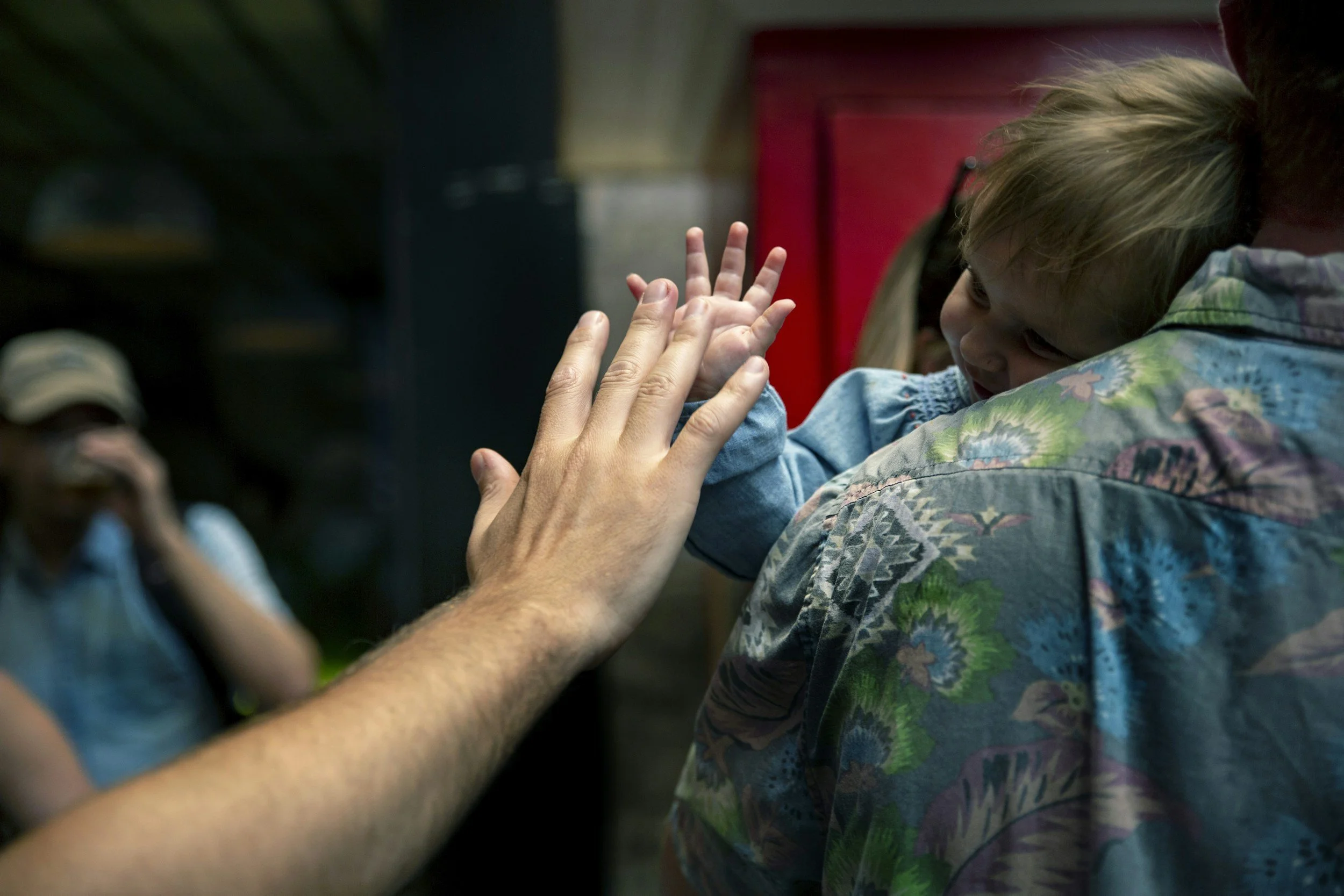
Why Human Connection Matters More Than Ever for Health

In a world that is more digitally connected than ever, many people report feeling increasingly isolated.

While technology offers tremendous benefits, human connection remains one of the most important components of overall wellness.

We Are Designed for Connection

Social relationships influence much more than our emotional wellbeing. Positive connections can affect motivation, stress management, lifestyle choices, and overall quality of life.

When people feel supported and connected, they are often more likely to engage in healthy habits and maintain a positive outlook.

The Cost of Isolation

Loneliness is more than just an uncomfortable feeling.

Social isolation can contribute to:

  • Increased stress

  • Feelings of anxiety

  • Low mood

  • Poor sleep

  • Reduced motivation

  • Less engagement in healthy behaviors

For many individuals, strengthening social connections can be a significant step toward improved wellbeing.

Building a Healthier Community

Connection can take many forms:

  • Spending time with family

  • Participating in community events

  • Joining a fitness class

  • Volunteering

  • Attending faith-based gatherings

  • Meeting friends for a walk

Health is often strengthened when people engage with others who encourage positive growth.

The Healing Value of Caring Touch

Humans naturally respond to safe, caring, therapeutic touch. Many wellness practices incorporate touch as a way to promote relaxation and comfort.

Craniosacral therapy is one example of a gentle, touch-based approach that many people include within their overall wellness routine. Massage therapy is another valuable wellness service that can support relaxation, recovery, and self-care.

As our health center continues to grow, we look forward to expanding the ways we can support the wellbeing of our community.

Wellness Happens Together

While healthy eating and exercise are essential, connection is equally important.

Strong communities, supportive relationships, and opportunities for meaningful interaction help create an environment where people can thrive mentally, physically, and spiritually.

The path to better health is not one we must walk alone. It is often strengthened by the people we walk beside.

This is the fourth of a four-part series called Nervous System Health.
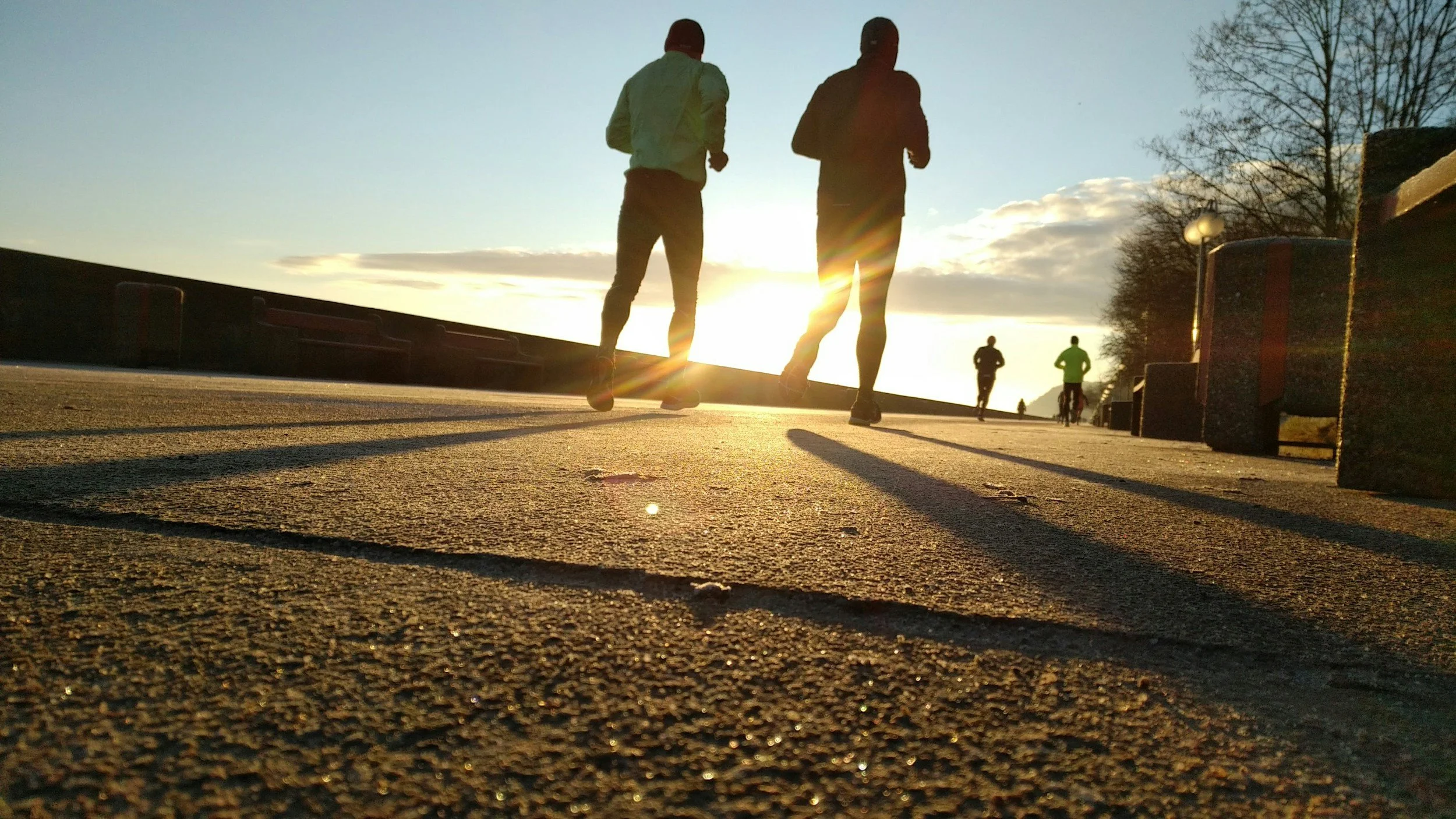
The Five Daily Habits That Support Mind, Body, and Spirit

The pursuit of better health does not require a complete life overhaul. In fact, lasting wellness is typically built through simple habits practiced consistently over time.

Here are five daily habits that can make a meaningful difference.

1. Move Your Body Every Day

Physical activity supports cardiovascular health, strength, flexibility, mood, and overall vitality.

The good news is that movement does not have to be intense. Walking, stretching, cycling, gardening, or yoga can all contribute to better health.

The goal is consistency, not perfection.

2. Nourish Yourself With Real Food

Food provides the building blocks your body uses to function and repair itself.

Focus on:

  • Colorful fruits and vegetables

  • Whole grains

  • Lean proteins

  • Healthy fats

  • Plenty of water

Small improvements made over time often lead to sustainable results.

3. Prioritize Rest and Sleep

Many people underestimate the importance of recovery.

Sleep supports:

  • Mental clarity

  • Emotional regulation

  • Physical healing

  • Immune function

  • Energy production

Creating a consistent sleep schedule can significantly improve overall wellbeing.

4. Practice Stillness

In a world filled with noise and distractions, moments of stillness can be incredibly valuable.

Whether through meditation, prayer, breathing exercises, journaling, or quiet reflection, these practices help create space for mental and emotional renewal.

Even five minutes a day can make a difference.

5. Connect With Other People

Humans were created for connection.

Positive social relationships provide encouragement, support, and a sense of belonging. Meaningful interactions with family, friends, neighbors, or community groups contribute significantly to emotional wellbeing.

Sometimes one genuine conversation can have a greater impact than we realize.

Small Steps Create Big Results

The healthiest lifestyles are rarely built overnight.

By consistently focusing on movement, nutrition, rest, reflection, and connection, we create a strong foundation that supports the health of the mind, body, and spirit for years to come.

This is the third of a four-part series called Nervous System Health.

The Social Spark: How Community Supercharges Your Fitness Journey

We often think of fitness as a solo pursuit—early‑morning workouts, quiet yoga flows, or focused strength sessions. But there’s a powerful ingredient many people overlook: community. Your social life isn’t just a “nice to have” when it comes to wellness. It can be the very thing that keeps you consistent, motivated, and genuinely excited to move your body.

Humans are wired for connection. When we blend movement with meaningful relationships, something shifts. Exercise becomes less of a chore and more of a shared experience—one that fuels joy, accountability, and long‑term commitment.

Why Social Connection Boosts Fitness

A supportive social environment can transform your fitness routine in several ways:

  • Accountability feels natural when someone is expecting you to show up.

  • Motivation increases because shared goals create shared energy.

  • Movement becomes fun, not forced.

  • Confidence grows when you’re surrounded by people cheering you on.

  • Stress decreases, making it easier to stay consistent.

When you combine physical activity with community, you’re not just strengthening your body—you’re strengthening your sense of belonging.

Example 1: Yoga as a Shared Ritual

Yoga is often seen as an inward practice, but doing it in community adds a beautiful layer of connection. A weekly class with familiar faces can become a grounding ritual—one that blends breath, movement, and shared presence.

In a group setting:

  • You feel the collective calm as everyone settles onto their mats.

  • You’re inspired by others’ dedication and progress.

  • You’re more likely to try new poses when you feel supported.

  • You leave feeling not just stretched, but emotionally nourished.

For many people, the social aspect of yoga is what keeps them returning week after week. It becomes a sanctuary where movement and community meet.

Example 2: Rock Climbing and the Power of Partnership

Rock climbing is one of the clearest examples of how social connection elevates physical performance. Whether you’re bouldering or top‑roping, climbing is inherently collaborative.

You rely on:

  • A belay partner you trust

  • Friends who cheer you up the wall

  • Shared problem‑solving as you figure out routes together

  • Encouragement when you’re stuck or doubting yourself

Climbing gyms often feel like little communities—full of people swapping tips, celebrating victories, and laughing through the challenges. The social energy is contagious, and it pushes you to climb higher, try harder, and enjoy the process.

The Bigger Picture: Movement as Connection

When fitness becomes social, it stops being something you “have to do” and becomes something you get to do. It’s a chance to:

  • Build friendships

  • Strengthen trust

  • Share experiences

  • Celebrate progress

  • Feel part of something bigger

Whether it’s a yoga class, a climbing group, a walking club, or a weekend hike with friends, movement becomes a doorway into deeper connection—with others and with yourself.

Your social life can be one of your greatest wellness tools. When you surround yourself with people who value movement, joy, and growth, your fitness routine becomes more sustainable and more meaningful.

If you’re looking to reignite your motivation or bring more ease into your exercise habits, consider adding a social element. Join a class. Invite a friend. Try something new with a group. Let connection be the spark that keeps you moving.