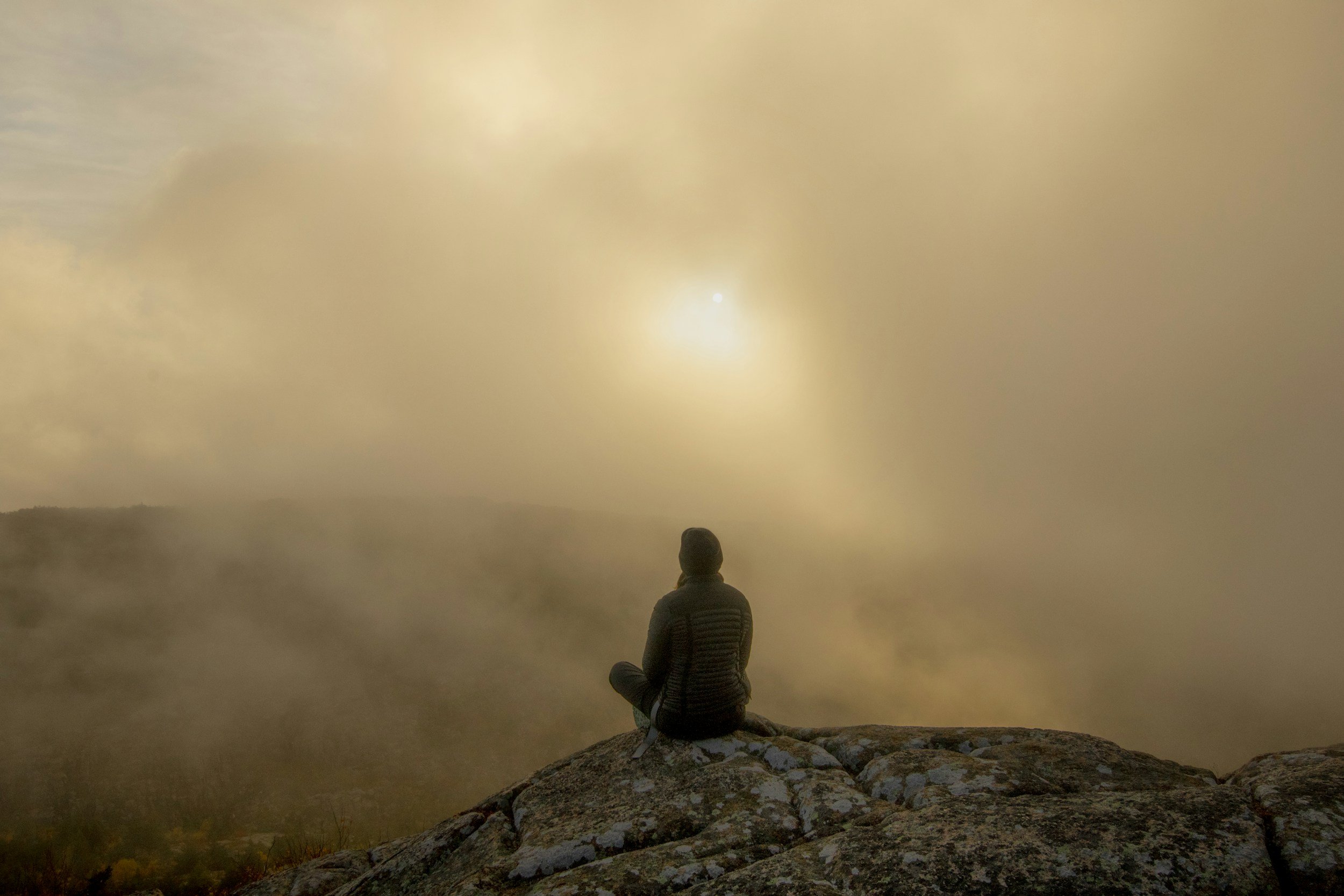

As pumpkins appear on porches, costumes fill store shelves, and calendars become packed with seasonal activities, it's easy to get swept up in the excitement of autumn. While this time of year is often associated with fun traditions, festive gatherings, and sweet treats, it can also quietly introduce stress, overstimulation, and fatigue.
Between school schedules, community events, decorating, parties, increased sugar consumption, and the anticipation of the busy months ahead, many people begin feeling mentally drained before the holiday season has even officially begun.
The good news? A little preparation can help you fully enjoy the magic of the season while protecting your mental well-being.
Why This Time of Year Can Feel Overwhelming
Autumn brings a dramatic shift in both our environment and our routines.
Common challenges include:
Shorter days and reduced sunlight
Packed social calendars
Changes in sleep schedules
Increased sugar consumption
Sensory overload from events and crowds
Pressure to participate in every seasonal activity
Anxiety about the upcoming holiday season
While these changes may seem small individually, together they can place extra demand on the nervous system.
Don't Wait Until You're Burned Out
Most people don't think about stress management until they're already feeling exhausted. Instead, consider this season an opportunity to build resilience before the busier months arrive.
Think of mental wellness like maintaining a cozy fire. It's far easier to keep it burning steadily than to rekindle it after it has gone out.
Exercise #1: The Pumpkin Patch Breath
This simple breathing exercise helps calm an overstimulated nervous system.
Inhale slowly through your nose for four counts.
Imagine breathing in the crisp autumn air.
Hold for four counts.
Exhale slowly for six counts.
Repeat five times.
This practice can be especially helpful before seasonal gatherings, shopping trips, or community events.
Exercise #2: A Sensory Fall Walk
Autumn offers a unique opportunity to become present through the senses.
During a short outdoor walk, notice:
Five things you can see
Four things you can hear
Three things you can feel
Two things you can smell
One thing you're grateful for
This grounding exercise helps bring your attention away from worries and back into the present moment.
Exercise #3: Create a "No Scares" List
The season often encourages us to focus on thrills and surprises, but our nervous systems benefit from predictability and calm.
Make a list of activities that genuinely restore you, such as:
Reading by candlelight
Drinking herbal tea
Taking a warm bath
Receiving bodywork or Craniosacral Therapy
Journaling
Listening to calming music
Commit to at least one restorative activity each week.
Exercise #4: Balance the Sugar Rush
Seasonal treats are part of the fun, but large amounts of sugar can contribute to energy crashes, irritability, and mood fluctuations.
Try pairing sweet treats with:
Protein-rich snacks
Healthy fats
Plenty of water
Regular meals
This simple strategy can help maintain steadier energy and support a more balanced mood.
Exercise #5: The Falling Leaves Reflection
One of autumn's greatest lessons comes from nature itself.
Take a few minutes to ask yourself:
What stressors am I carrying that no longer serve me?
What expectations can I let go of?
What would create more ease in my life right now?
Write down your answers and consider what you might release as you move into the coming months.
Just as trees shed their leaves, we can let go of habits, obligations, and pressures that weigh us down.
Prioritize Rest Before the Holidays Arrive
Many people start the final months of the year already exhausted. The weeks leading up to the major holidays offer an excellent opportunity to replenish your energy reserves.
Focus on:

Consistent sleep
Daily movement
Time outdoors
Nourishing meals
Meaningful connection
Regular relaxation practices
Small actions now can have a significant impact on how you experience the rest of the season.
Embrace the Magic Without the Pressure
The beauty of this time of year isn't found in having the best decorations, attending every event, or creating the perfect seasonal experience.
It's found in slowing down enough to enjoy the crisp air, the changing leaves, the warm drinks, and the moments of connection that make autumn special.
This season, give yourself permission to participate in what brings you joy and gently decline what drains your energy.
Because the healthiest version of the season isn't the busiest one. It's the one that leaves you feeling grounded, present, and well.
Seasonal Wellness Tip
Before the rush of the end-of-year celebrations begins, schedule one wellness-focused activity just for yourself. Whether it's a nature walk, massage, yoga session, meditation class, or Craniosacral Therapy appointment, investing in your well-being now can help you move through the coming months with greater ease and resilience.