
In recent years, the conversation around mental health has expanded beyond talk therapy and medication. More people are discovering what healers, movement practitioners, and ancient traditions have known for centuries: the body is not separate from the mind. When we support one, we inevitably support the other.
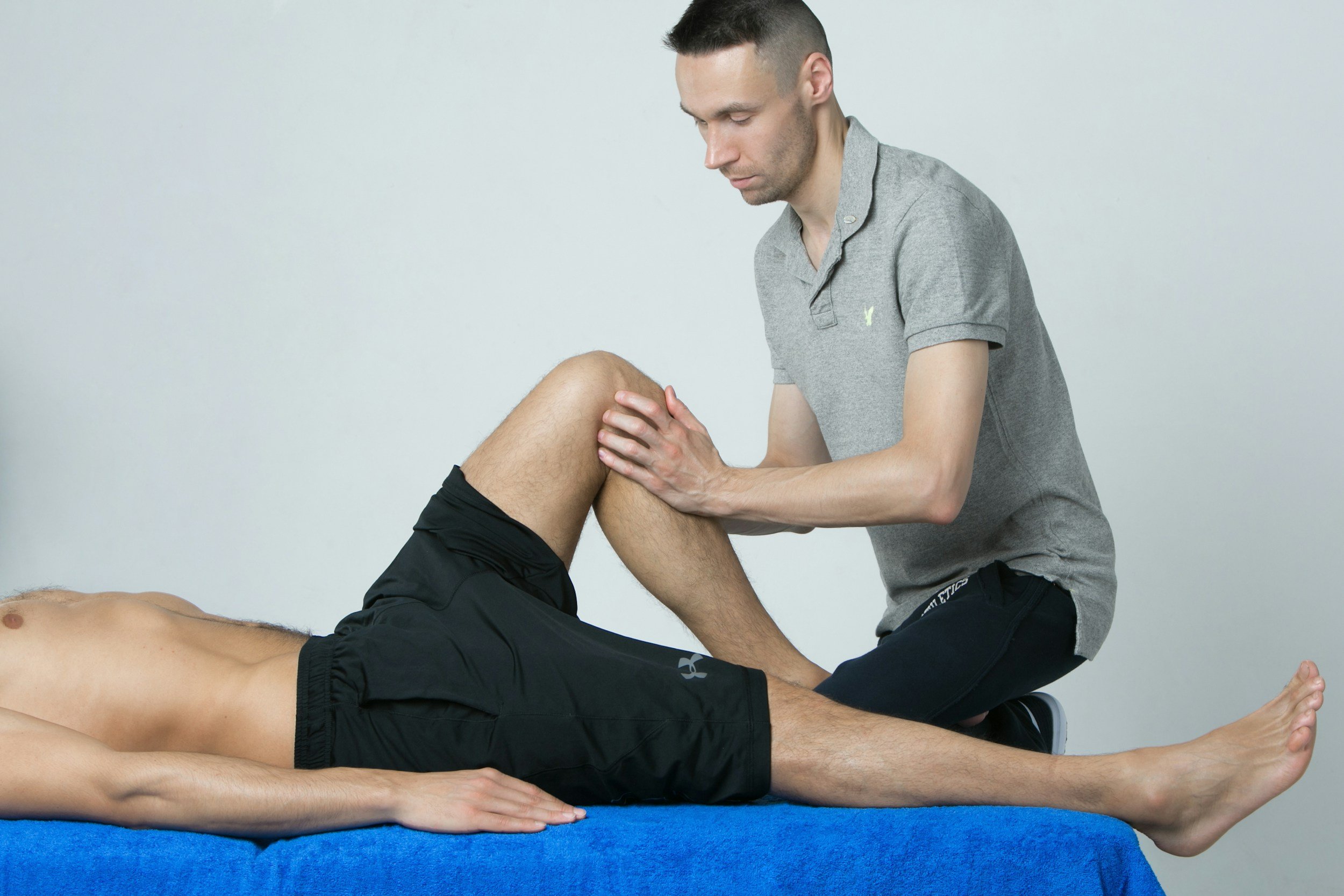
Physical therapy—often seen as purely orthopedic or injury‑focused—has quietly become one of the most powerful allies in mental well‑being. Through intentional movement, nervous system regulation, and hands‑on support, physical therapy offers a pathway back to balance, resilience, and embodied calm.
Why Movement Matters for the Mind
When the body is in pain or restricted, the nervous system shifts into protection mode. Muscles tighten, breathing becomes shallow, and stress hormones rise. Over time, this can create a loop where physical discomfort fuels emotional strain, and emotional strain fuels more physical discomfort.
Physical therapy interrupts that loop.
By restoring mobility, reducing pain, and improving strength and alignment, physical therapy helps the nervous system feel safe again. And when the nervous system feels safe, the mind can soften.
The Science Behind the Shift
Research continues to show that physical therapy can:
Reduce symptoms of anxiety and depression through structured movement and improved body awareness
Lower stress hormones by activating the parasympathetic (“rest and digest”) nervous system
Improve sleep quality, which directly influences emotional regulation
Increase confidence and agency, especially after injury or chronic pain
Enhance cognitive function through improved circulation and oxygenation
Movement is medicine—but it’s also communication. Every stretch, breath, and gentle strengthening exercise sends a message to the brain: You are safe. You are capable. You are healing.
A Therapy That Works From the Inside Out
One of the most powerful aspects of physical therapy is its emphasis on interoception—the ability to sense what’s happening inside your body. When people reconnect with their internal signals, they often experience:
A clearer sense of emotional boundaries
Greater resilience during stressful moments
A deeper understanding of what their body needs
A renewed trust in themselves
This is especially meaningful for individuals recovering from trauma, chronic stress, or long‑term pain. Physical therapy becomes not just a treatment, but a re‑education in how to inhabit the body with ease.
The Role of Touch and Therapeutic Presence
Many physical therapy modalities include hands‑on techniques such as soft‑tissue work, joint mobilization, or guided stretching. These aren’t just mechanical interventions—they’re relational ones.
Supportive, skilled touch can:
Calm the limbic system
Reduce feelings of isolation
Rebuild a sense of safety in the body
Encourage emotional release in a grounded, non‑verbal way
For some, this becomes the first step toward reconnecting with themselves after periods of overwhelm or disconnection.
A Holistic Approach to Healing
Physical therapy shines when it’s integrated into a broader wellness practice. Pairing it with yoga, breathwork, craniosacral therapy, or mindful walking can amplify the benefits and create a sustainable rhythm of care.
Think of it as tending a garden:
Physical therapy clears the weeds and strengthens the soil.
Mindfulness and breath nourish the roots.
Movement and daily rituals help everything bloom.
Together, they create a landscape where both body and mind can thrive.
Final Thoughts
Mental health is not just a psychological experience—it’s a full‑body one. Physical therapy offers a compassionate, evidence‑based way to support emotional well‑being through movement, alignment, and nervous system regulation.
For anyone navigating stress, anxiety, trauma recovery, or the emotional weight of chronic pain, physical therapy can be a grounding, empowering part of the healing journey. It reminds us that healing doesn’t always begin in the mind. Sometimes, it begins with a single breath, a gentle stretch, or the quiet reassurance of being supported.
If you’re craving a gentler way to unwind stress, release tension, and reconnect with your inner calm, Craniosacral Therapy (CST) offers a profoundly soothing path forward. Experience how subtle, therapeutic touch can help your body settle and your mind breathe again.