
Many people feel stuck between their bodies and their minds — tension that won’t ease, emotions that show up as pain, or anxiety that lives in the chest and gut. This article explains somatoemotional health, why the body matters in mental health, and practical, safe ways to begin reconnecting sensation and feeling for deeper healing.
What somatoemotional health means
Somatoemotional health recognizes that emotions are embodied. Thoughts, memories, and stressors often register first as bodily sensations — tight shoulders, a heavy chest, stomach knots, or chronic pain. Rather than treating those sensations as separate from mental health, somatoemotional approaches listen to the body as a source of information and a pathway for change. This perspective reframes symptoms as meaningful signals rather than merely problems to suppress.
Why the body matters for mental health
Physiology shapes experience. The nervous system, hormones, and immune responses influence mood, attention, and resilience.
Unprocessed emotion becomes somatic. When feelings are avoided or cannot be expressed, they often persist as tension, pain, or dysregulation.
Embodied work complements talk therapy. Words can reframe meaning; the body can release held patterns that words alone cannot reach. Together they create more complete healing.
How somatic practices support recovery
Somatic practices aim to regulate the nervous system and increase interoceptive awareness — the ability to notice internal bodily signals. When the nervous system is calmer and more flexible, emotional reactivity decreases and cognitive clarity improves. Common benefits include reduced anxiety, improved sleep, less chronic tension, and greater capacity to tolerate difficult emotions.
Practical somatoemotional tools to try
Start with gentle, low‑risk practices and notice what changes in your body and mood.
Diaphragmatic breathing
Practice 5–10 minutes daily: inhale slowly into the belly for 4 counts, exhale for 6 counts.
Focus on lengthening the exhale to downshift the sympathetic response.
Body scan and interoceptive noticing
Spend 5–10 minutes scanning from feet to head, naming sensations without judgment.
Use neutral language: “warmth in the chest,” “tightness in the jaw.”
Grounding and orientation
Orient to the room: notice three things you can see, two you can touch, one you can hear.
This simple practice anchors attention and reduces overwhelm.
Gentle movement and release
Try slow yoga, walking, or guided movement to help discharge tension.
Move until you feel a small release, then rest and notice the aftereffect.
Safe touch and self‑soothing
Place a hand over the heart or belly for 30–60 seconds to provide calming input.
Use warmth, a weighted blanket, or a gentle massage if it feels soothing.
Micro‑practices for daily life
Pause for three deep breaths before responding to stress.
Take a 2‑minute shoulder roll or neck stretch during long work sessions.
Integrating somatic work with psychotherapy
For many people, the most effective path combines somatic practices with trauma‑informed psychotherapy. Talk therapy helps make sense of patterns and narratives; somatic work addresses the physiological habits that keep those patterns alive. When seeking a clinician, look for training in somatic modalities and trauma‑informed care, and prioritize consent, pacing, and safety in sessions.
Risks, limitations, and cautions
Re‑traumatization risk. Intense somatic work can surface strong memories or sensations. If you have a history of complex trauma, work with a trained, trauma‑informed professional.
Not a standalone cure. Somatic practices are powerful tools but are most effective as part of a broader plan that may include psychotherapy, medication, and medical care.
Medical evaluation first. New or unexplained pain should be evaluated by a medical provider before assuming it is purely emotional.
Stop if overwhelmed. If a practice increases distress, pause and choose a gentler approach or seek professional guidance.
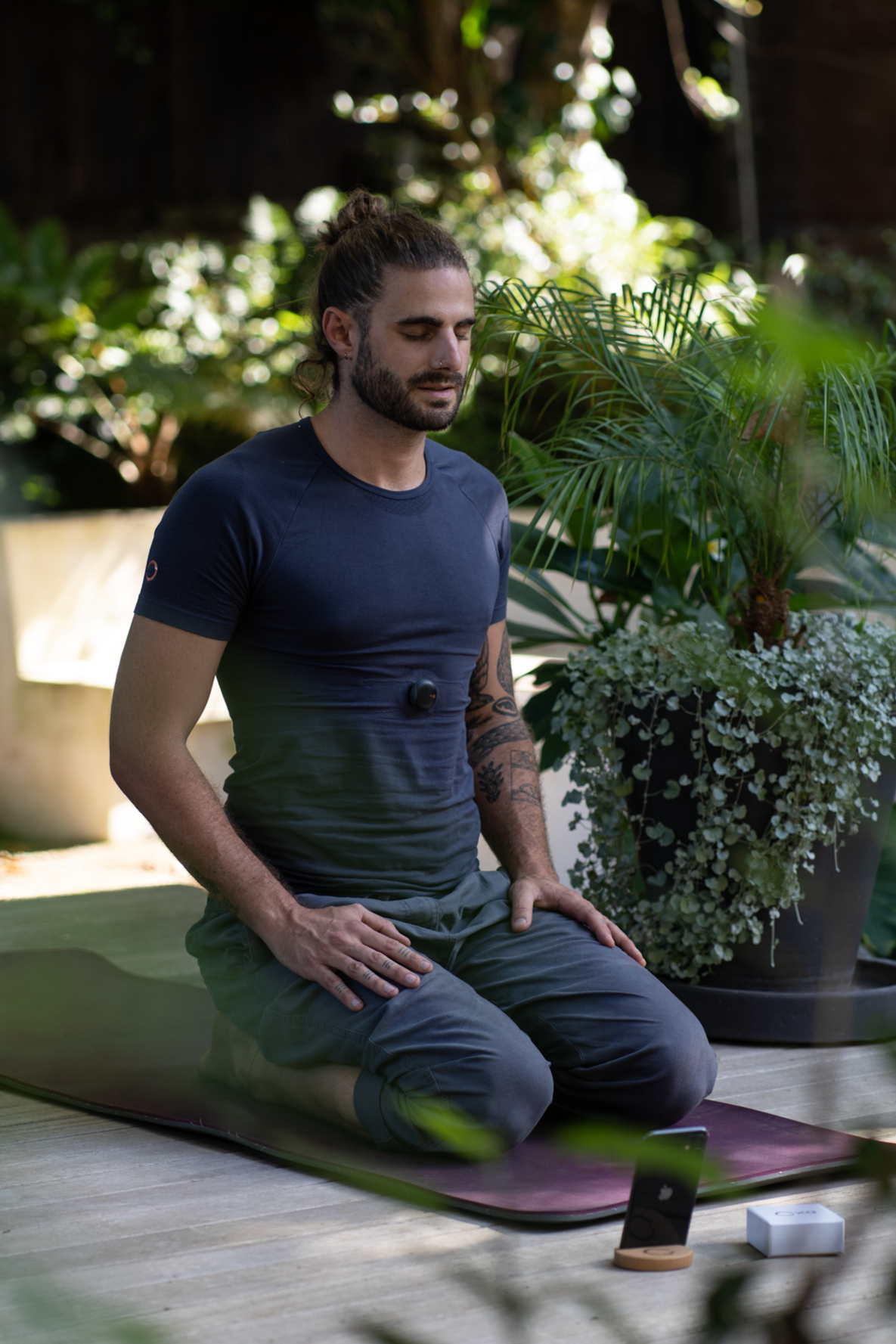
How to begin safely
Start small. Five minutes of breathwork or a short body scan each day builds tolerance and awareness.
Track responses. Note changes in sleep, mood, and tension to see what helps.
Use structure. Pair somatic practices with therapy or a trusted teacher for guidance and accountability.
Be patient and compassionate. Embodied change unfolds gradually; kindness toward yourself accelerates progress.
Closing thoughts
Somatoemotional health invites a kinder, fuller way of healing by honoring the body as an active partner in mental health. By learning to notice sensation, regulate the nervous system, and integrate body‑focused practices with talk therapy, people often find relief from chronic tension, clearer emotional processing, and a deeper sense of wholeness. If you’re curious, begin with a few minutes of breath and a gentle body scan today and notice what shifts.