
We know walking is good for the body. It improves cardiovascular health, supports healthy aging, and helps maintain mobility. But when you add friendship and conversation to the mix, the benefits extend far beyond physical fitness.
Walking with friends combines three important ingredients for brain health: movement, social connection, and mental engagement. Together, they create a powerful recipe for overall well-being.
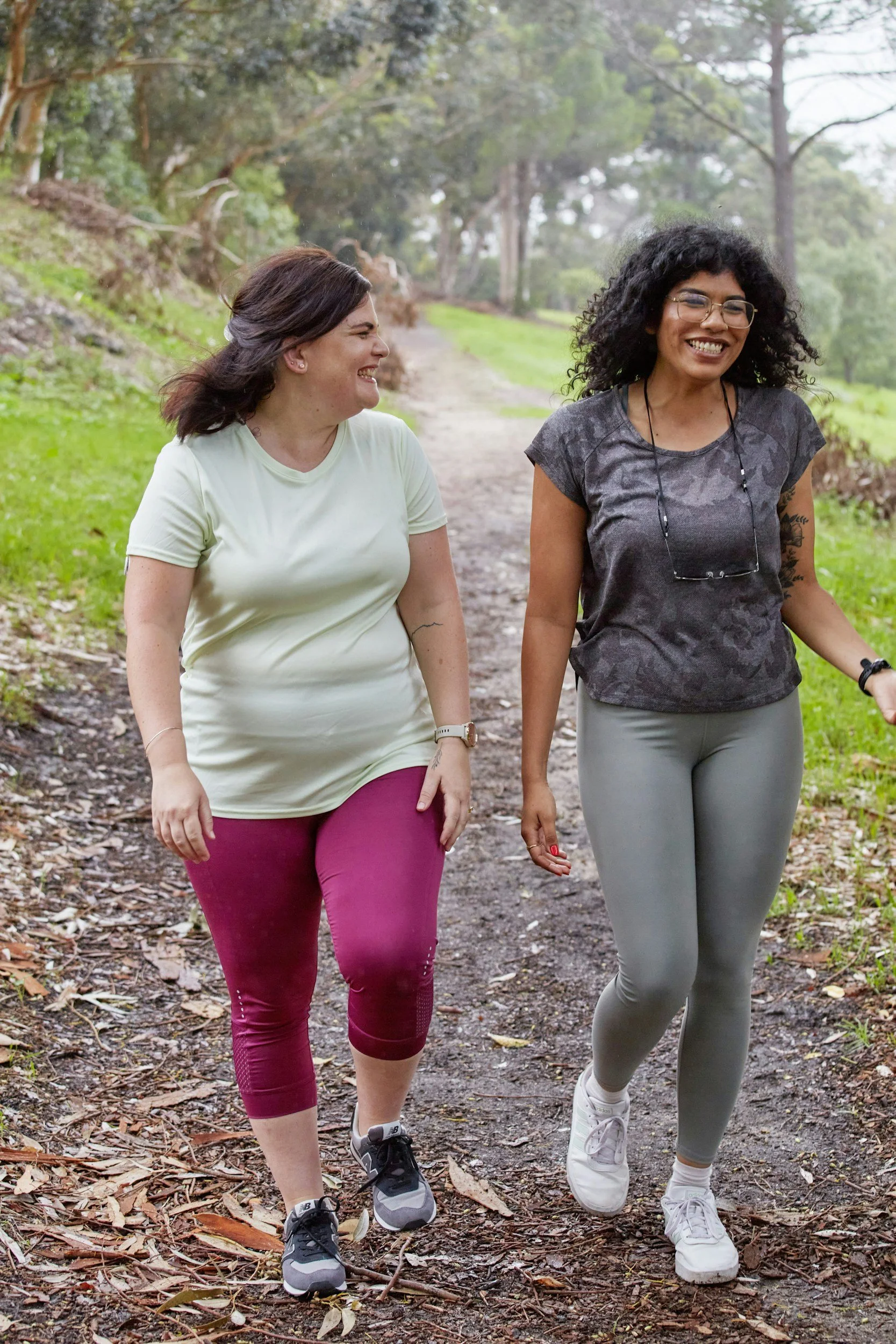
Walking Boosts Brain Function
A brisk walk increases blood flow throughout the body, including the brain. This improved circulation helps deliver oxygen and nutrients that support cognitive function.
Regular walking has been associated with:
Improved memory and concentration
Better mood and reduced stress
Increased creativity and problem-solving
Support for healthy aging and cognitive health
Even a short walk can help clear mental fog and leave you feeling more focused and energized.
Conversation Keeps the Mind Active
When we walk with friends, our brains receive an extra workout. Conversations require us to listen, process information, recall memories, and respond thoughtfully.
Whether you're discussing family, sharing stories, solving life's little challenges, or simply laughing together, these interactions help keep the brain engaged in ways that solitary activities often don't.
The conversations don't have to be profound. Sometimes the simple act of catching up with a friend provides the connection and stimulation our minds need.
Social Connection Supports Emotional Well-Being
Humans are wired for connection. Spending time with others can help reduce feelings of loneliness and isolation, which can have a significant impact on both mental and physical health.
Walking side-by-side often feels easier than sitting face-to-face. The relaxed setting encourages natural conversation without pressure, making it easier to build and maintain meaningful relationships.
A regular walking date can become something to look forward to each week, helping create both routine and connection.
Walking Together Encourages Consistency
One of the biggest challenges with exercise is sticking to it. Having a walking partner adds accountability and motivation.
You're much more likely to show up on a chilly morning or a busy afternoon when you know a friend is waiting. Over time, those regular walks add up, benefiting both your physical health and your brain health.
What If You Don't Have a Walking Partner?
Not everyone has a friend or family member available to walk regularly, and that's okay. There are many ways to connect with other walkers in your community.
Consider:
Local walking groups through community centers or wellness organizations
Parks and recreation programs
Walking clubs hosted by senior centers
Fitness groups on social media
Faith communities that organize wellness activities
Meetup groups focused on walking, hiking, and outdoor recreation

The goal isn't finding the perfect walking partner. It's finding opportunities to move and connect with others who share similar interests.
Every Step Counts,
Walking with friends is about more than getting exercise. It's an opportunity to strengthen the body, challenge the mind, and deepen social connections all at the same time.
So the next time you're considering a walk, invite a friend along. The conversation may do just as much good as the movement itself, and together, you'll be taking positive steps for both brain health and overall well-being.