

When the Spooky Season Stops Feeling Fun: Simple Ways to Stay Grounded This Fall

As pumpkins appear on porches, costumes fill store shelves, and calendars become packed with seasonal activities, it's easy to get swept up in the excitement of autumn. While this time of year is often associated with fun traditions, festive gatherings, and sweet treats, it can also quietly introduce stress, overstimulation, and fatigue.

Between school schedules, community events, decorating, parties, increased sugar consumption, and the anticipation of the busy months ahead, many people begin feeling mentally drained before the holiday season has even officially begun.

The good news? A little preparation can help you fully enjoy the magic of the season while protecting your mental well-being.

Why This Time of Year Can Feel Overwhelming

Autumn brings a dramatic shift in both our environment and our routines.

Common challenges include:

  • Shorter days and reduced sunlight

  • Packed social calendars

  • Changes in sleep schedules

  • Increased sugar consumption

  • Sensory overload from events and crowds

  • Pressure to participate in every seasonal activity

  • Anxiety about the upcoming holiday season

While these changes may seem small individually, together they can place extra demand on the nervous system.

Don't Wait Until You're Burned Out

Most people don't think about stress management until they're already feeling exhausted. Instead, consider this season an opportunity to build resilience before the busier months arrive.

Think of mental wellness like maintaining a cozy fire. It's far easier to keep it burning steadily than to rekindle it after it has gone out.

Exercise #1: The Pumpkin Patch Breath

This simple breathing exercise helps calm an overstimulated nervous system.

  1. Inhale slowly through your nose for four counts.

  2. Imagine breathing in the crisp autumn air.

  3. Hold for four counts.

  4. Exhale slowly for six counts.

  5. Repeat five times.

This practice can be especially helpful before seasonal gatherings, shopping trips, or community events.

Exercise #2: A Sensory Fall Walk

Autumn offers a unique opportunity to become present through the senses.

During a short outdoor walk, notice:

  • Five things you can see

  • Four things you can hear

  • Three things you can feel

  • Two things you can smell

  • One thing you're grateful for

This grounding exercise helps bring your attention away from worries and back into the present moment.

Exercise #3: Create a "No Scares" List

The season often encourages us to focus on thrills and surprises, but our nervous systems benefit from predictability and calm.

Make a list of activities that genuinely restore you, such as:

  • Reading by candlelight

  • Drinking herbal tea

  • Taking a warm bath

  • Receiving bodywork or Craniosacral Therapy

  • Journaling

  • Listening to calming music

Commit to at least one restorative activity each week.

Exercise #4: Balance the Sugar Rush

Seasonal treats are part of the fun, but large amounts of sugar can contribute to energy crashes, irritability, and mood fluctuations.

Try pairing sweet treats with:

  • Protein-rich snacks

  • Healthy fats

  • Plenty of water

  • Regular meals

This simple strategy can help maintain steadier energy and support a more balanced mood.

Exercise #5: The Falling Leaves Reflection

One of autumn's greatest lessons comes from nature itself.

Take a few minutes to ask yourself:

  • What stressors am I carrying that no longer serve me?

  • What expectations can I let go of?

  • What would create more ease in my life right now?

Write down your answers and consider what you might release as you move into the coming months.

Just as trees shed their leaves, we can let go of habits, obligations, and pressures that weigh us down.

Prioritize Rest Before the Holidays Arrive

Many people start the final months of the year already exhausted. The weeks leading up to the major holidays offer an excellent opportunity to replenish your energy reserves.

Focus on:
  • Consistent sleep

  • Daily movement

  • Time outdoors

  • Nourishing meals

  • Meaningful connection

  • Regular relaxation practices

Small actions now can have a significant impact on how you experience the rest of the season.

Embrace the Magic Without the Pressure

The beauty of this time of year isn't found in having the best decorations, attending every event, or creating the perfect seasonal experience.

It's found in slowing down enough to enjoy the crisp air, the changing leaves, the warm drinks, and the moments of connection that make autumn special.

This season, give yourself permission to participate in what brings you joy and gently decline what drains your energy.

Because the healthiest version of the season isn't the busiest one. It's the one that leaves you feeling grounded, present, and well.

Seasonal Wellness Tip

Before the rush of the end-of-year celebrations begins, schedule one wellness-focused activity just for yourself. Whether it's a nature walk, massage, yoga session, meditation class, or Craniosacral Therapy appointment, investing in your well-being now can help you move through the coming months with greater ease and resilience.
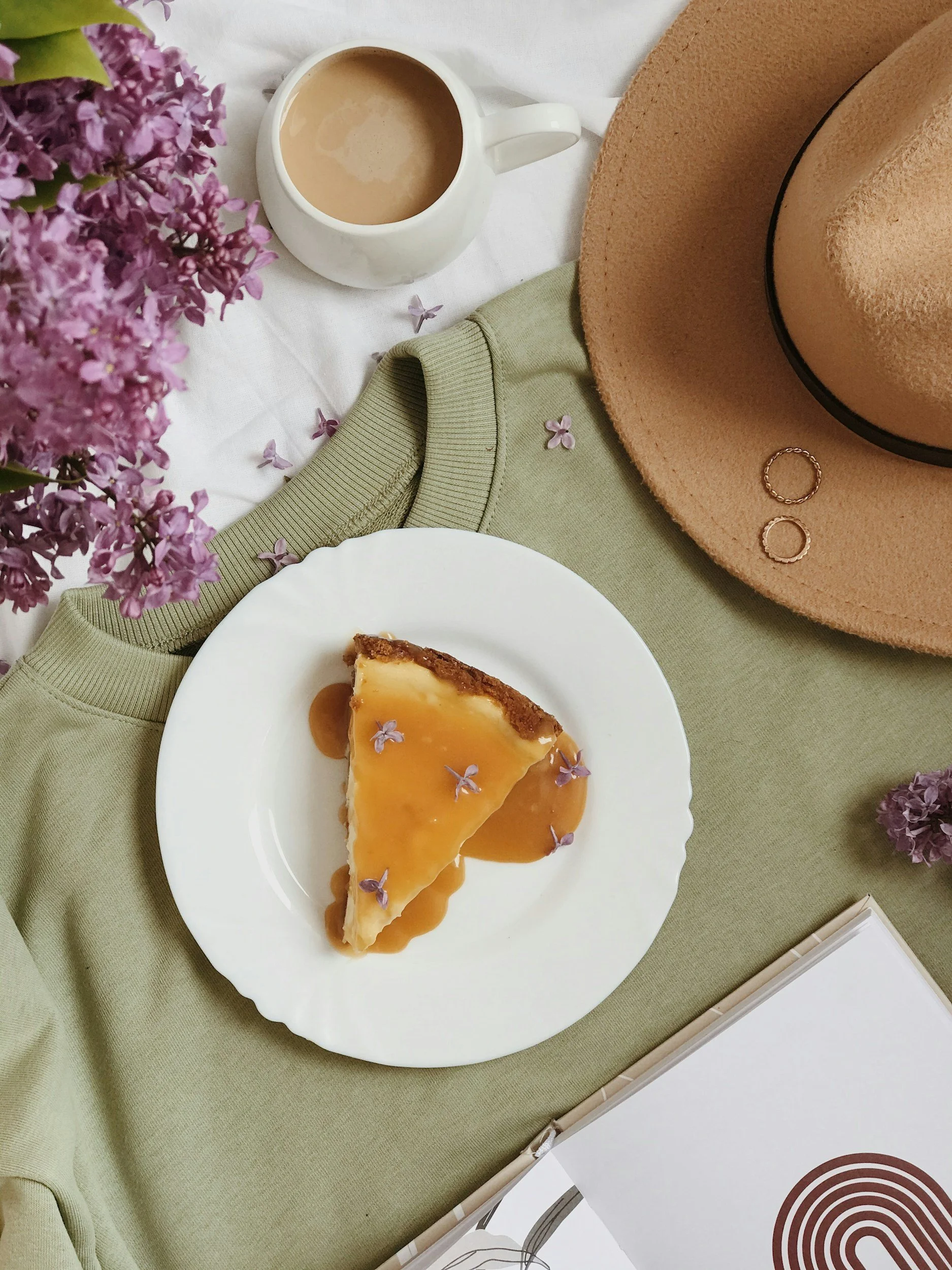

Cozy Comfort Without the Sugar: A Pumpkin Caramel Fall Dessert Your Body Will Love

As the air turns crisp and the leaves begin their colorful transformation, many of us naturally crave warm, comforting flavors. Fall invites us to slow down, gather close, and enjoy foods that nourish both body and spirit. Fortunately, comfort doesn't have to come with a sugar crash.

This Sugar-Free Warm Pumpkin Caramel Bake delivers all the cozy flavors of autumn while supporting balanced energy, mood, and overall wellness.

Why We're Drawn to Pumpkin and Caramel in the Fall

There is a reason pumpkin and caramel are synonymous with autumn. These flavors engage our senses in ways that can feel deeply comforting and grounding.

Pumpkin: The Flavor of Nourishment

Pumpkin offers a naturally earthy sweetness that signals warmth and abundance. Rich in beta-carotene, fiber, potassium, and antioxidants, pumpkin supports immune health, digestion, and healthy vision.

When we taste pumpkin, our brains often associate it with:

  • Family gatherings

  • Holiday traditions

  • Safety and comfort

  • Seasonal change

Its rich orange color can also create a psychological sense of warmth and vitality, making it a perfect ingredient as daylight hours begin to shorten.

Caramel: Comfort Without the Sugar

The flavor of caramel is often linked to feelings of indulgence and satisfaction. Its deep, toasted notes stimulate the senses and create a perception of richness.

When recreated naturally using ingredients like dates, monk fruit, or sugar-free caramel extracts, we can enjoy that familiar comforting flavor without the dramatic blood sugar fluctuations that often leave us feeling sluggish, irritable, or tired.

The Magic of Warm Spices

Pumpkin desserts aren't complete without cinnamon, nutmeg, ginger, and cloves.

These spices do more than taste delicious:

  • Cinnamon may help support healthy blood sugar balance.

  • Ginger supports digestion and warmth within the body.

  • Nutmeg provides an aromatic sense of comfort and relaxation.

  • Cloves offer antioxidant benefits and depth of flavor.

Together, they create an experience that feels grounding and restorative.

Sugar-Free Warm Pumpkin Caramel Bake

Ingredients

Pumpkin Layer

  • 1 can pure pumpkin puree

  • 2 eggs

  • 1/2 cup unsweetened almond milk

  • 1/3 cup monk fruit sweetener or preferred sugar-free sweetener

  • 1 teaspoon cinnamon

  • 1/2 teaspoon ginger

  • 1/4 teaspoon nutmeg

  • 1 teaspoon vanilla extract

  • Pinch of sea salt

Sugar-Free Caramel Drizzle

  • 1/4 cup unsweetened almond butter

  • 2 tablespoons monk fruit syrup

  • 1 teaspoon vanilla

  • Pinch of sea salt

  • 2 to 3 tablespoons warm water

Directions

  1. Preheat oven to 350°F.

  2. Mix all pumpkin layer ingredients until smooth.

  3. Pour into a lightly greased baking dish.

  4. Bake for 30 to 35 minutes, or until set.

  5. While baking, whisk together the caramel drizzle ingredients until creamy.

  6. Remove dessert from oven and allow to cool slightly.

  7. Drizzle with the sugar-free caramel sauce and serve warm.

Optional topping:

  • Chopped pecans

  • Unsweetened whipped coconut cream

  • A sprinkle of extra cinnamon

How This Dessert Supports Overall Wellness

Steadier Energy

Traditional fall desserts often contain large amounts of sugar, causing blood sugar spikes followed by energy crashes. By choosing sugar-free sweeteners and nutrient-dense ingredients, this recipe allows you to enjoy a sweet treat with more balanced energy.

Better Mood Support

Warm foods can trigger feelings of comfort and relaxation. Combined with nostalgic fall aromas, this dessert creates a sensory experience that can help reduce stress and encourage mindfulness.

Gut-Friendly Ingredients

Pumpkin's fiber content supports healthy digestion and feelings of fullness. Ginger and cinnamon further contribute to digestive comfort, making this dessert satisfying without feeling heavy.

Seasonal Self-Care

In wellness traditions around the world, fall is viewed as a time to slow down and turn inward. Preparing a warm dessert from scratch can become a simple act of self-care, helping us reconnect with the rhythms of the season and ourselves.

Savor the Season Mindfully

Fall isn't just about what we eat. It's about how we experience nourishment. The aroma of cinnamon drifting through the kitchen, the warmth of pumpkin fresh from the oven, and the rich caramel notes dancing on the palate all contribute to a sense of comfort that goes beyond food alone.

This season, give yourself permission to enjoy the flavors you love in a way that supports your health and well-being. With this Sugar-Free Warm Pumpkin Caramel Bake, you can embrace all the cozy magic of autumn while feeling your best.

Seasonal Wellness Tip

Enjoy a warm serving of this dessert alongside a cup of herbal tea, and take a few moments to pause, breathe deeply, and appreciate the sensory gifts of the season. Sometimes the most healing moments are also the simplest.

Resetting After Summer: How Craniosacral Therapy Helps You Settle Into Fall

Summer leaves a mark. Months of late nights, road trips, outdoor heat and back-to-back plans give you plenty of good memories, but they also wear your body down. By September, you might feel a lingering fatigue, tight shoulders or trouble staying asleep through the night. Your system is still running on summer speed while the days grow cooler and shorter.

Fall gives you a chance to slow down and catch your breath. Craniosacral Therapy offers a simple, light-touch approach to help your body make that shift.

During a session, a trained practitioner uses very gentle pressure to check and release tight spots around your head, neck and spine. This works directly with the fluid and membranes surrounding your brain and spinal cord. Instead of forcing muscles to relax, it gives your central nervous system a break. It signals to your brain that it's safe to drop out of high alert and move into rest.

When your nervous system calms down, the physical benefits follow quickly. The tension built up from summer driving, swimming and long days starts to melt away. Sleeping becomes easier because your mind stops racing the moment your head hits the pillow. You gain a quiet hour to sit still, clear your head and give your body what it needs to recover.

Transitioning into a new season doesn't require a complete life overhaul. Sometimes you just need to give your body permission to slow down. If you want to clear out the summer fatigue and start fall feeling grounded, book a Craniosacral Therapy session with Kristi today.

Autumn Harvest Protein Bowl

A cozy, protein-forward fall bowl that balances roasted butternut squash, hearty quinoa, crispy chickpeas, and a maple-tahini dressing—perfect for lunches, post-yoga recovery, or a warming weeknight meal.

Ingredients (2 servings)

  • For the bowl

    • 1 cup cooked quinoa (about 1/3 cup dry)

    • 2 cups butternut squash, peeled and cubed

    • 1 can (15 oz) chickpeas, drained, rinsed, patted dry

    • 2 cups chopped kale, stems removed

    • 2 tbsp pumpkin seeds or hemp seeds

    • 1 tbsp olive oil

    • 1/2 tsp smoked paprika

    • 1/4 tsp sea salt

    • Fresh lemon wedge for finishing

  • For the dressing

    • 3 tbsp tahini

    • 1 tbsp maple syrup

    • 1 tbsp apple cider vinegar

    • 2 tbsp warm water (more to thin)

    • 1/4 tsp cinnamon

    • Pinch of salt

Instructions

  1. Preheat oven to 425°F. Toss butternut squash with 1 tbsp olive oil, smoked paprika, and a pinch of salt; spread on a baking sheet and roast 20–25 minutes until golden and tender.

  2. While squash roasts, toss chickpeas with a little olive oil and a pinch of salt; place on the same sheet or a second sheet and roast 15–20 minutes until crisp.

  3. Cook quinoa according to package directions and fluff with a fork; season lightly with salt.

  4. Massage the kale with a squeeze of lemon and a tiny pinch of salt until it softens (about 1–2 minutes).

  5. Whisk dressing ingredients together, adding warm water a teaspoon at a time until a pourable consistency.

  6. Assemble bowls: divide quinoa, top with roasted squash, crispy chickpeas, and kale. Sprinkle pumpkin or hemp seeds and drizzle dressing. Finish with a lemon wedge.

Variations and Protein Boosts

  • Add 4–6 oz grilled chicken or baked tofu for extra protein.

  • Stir 1–2 tbsp hemp seeds into the cooked quinoa for a nutty protein lift.

  • Swap quinoa for farro or freekeh for a chewier grain and extra protein.

Meal Prep Tips

  • Roast squash and chickpeas in advance and store separately up to 4 days.

  • Keep dressing in a jar and kale raw until ready to serve for best texture.

  • Reheat roasted items briefly and assemble fresh for optimal flavor.

Why this works

Quinoa and chickpeas provide a complete, plant-forward protein base while tahini and hemp or pumpkin seeds add healthy fats and extra protein, making this bowl a satisfying, seasonally tuned way to increase daily protein intake.