
Early spring invites the body to slow down and notice subtle shifts: the air warms a degree, buds unfurl, and light lingers a little longer. This season is ideal for pairing mindful movement with deliberate pauses, because the natural world models a gentle, steady emergence rather than a sudden burst. Practicing outdoors—on a patch of grass, beside a stream, or under a budding tree—helps the nervous system recalibrate through fresh air, natural light, and the soft textures of the earth.
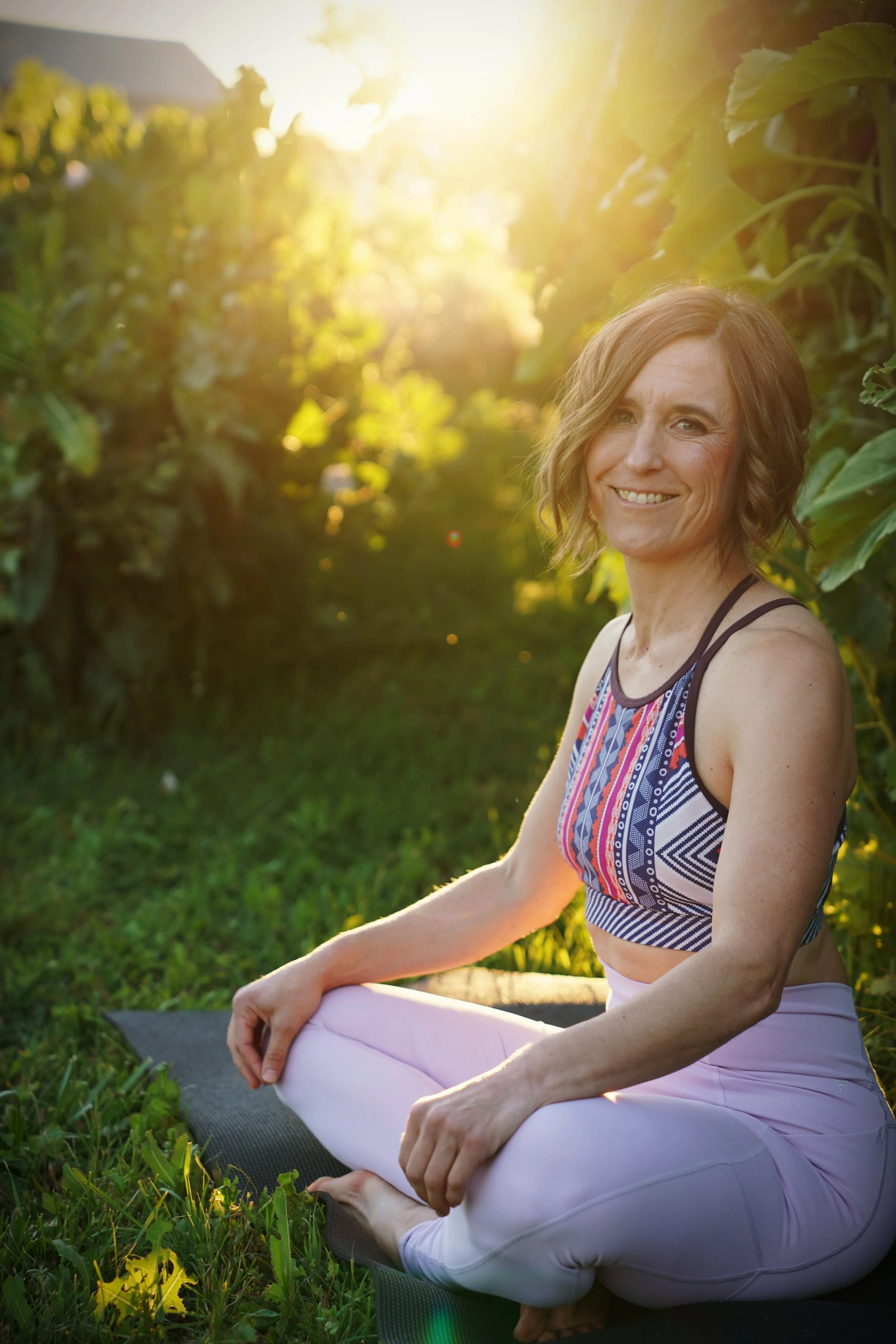
Kristi Schreiner, MSW, LMT, CST-D, RYT-200
Yoga in spring can be both awakening and grounding. Gentle flows that emphasize hip and shoulder mobility warm connective tissue and encourage circulation without overstimulating the system. When movement is paced with attention to breath, each posture becomes a small conversation between the body and the environment: the inhale reaches toward new growth, the exhale releases what no longer serves. This balance supports resilience and reduces the tendency to rush into activity simply because the calendar says it’s time.
Rest is the essential counterpart to movement. Intentional rest—short periods of stillness, supported restorative poses, or a quiet seated pause—allows the body to integrate the changes initiated by yoga. Rest is not inactivity; it’s an active process of consolidation where the nervous system downshifts, tissues hydrate, and awareness deepens. In spring, these restorative moments feel especially nourishing, as if the body is syncing its internal rhythms with the season’s unfolding.
A simple outdoor ritual can weave movement and rest into a single practice. Try one of the following approachable options to bring spring into your routine:
Sun-warmed savasana — lie on a blanket in a sunny spot for 8–12 minutes, focusing on slow diaphragmatic breaths to absorb the day’s warmth and calm the nervous system.
Meadow walking and pause — walk slowly along a grassy path for 5–10 minutes, then stop beneath a tree for a seated breath practice to notice sounds, scents, and the body’s sensations.
Restorative sequence under shade — use a bolster or folded blanket for supported reclined poses, holding each for several minutes while practicing gentle, equalized breathing to encourage release.
As you experiment with these practices, notice how the combination of movement and rest changes your energy across the day: movement can enliven without draining, and rest can refresh without inducing sluggishness. The spring landscape offers cues—birdsong, new leaves, warming soil—that make it easier to tune into subtle internal shifts and to honor a pace that feels sustainable.
Which of these outdoor rituals feels most inviting to try this week, and where in your neighborhood or local park would you imagine practicing it?