Fitness Journaling: Tracking Your Path to Strength and Balance

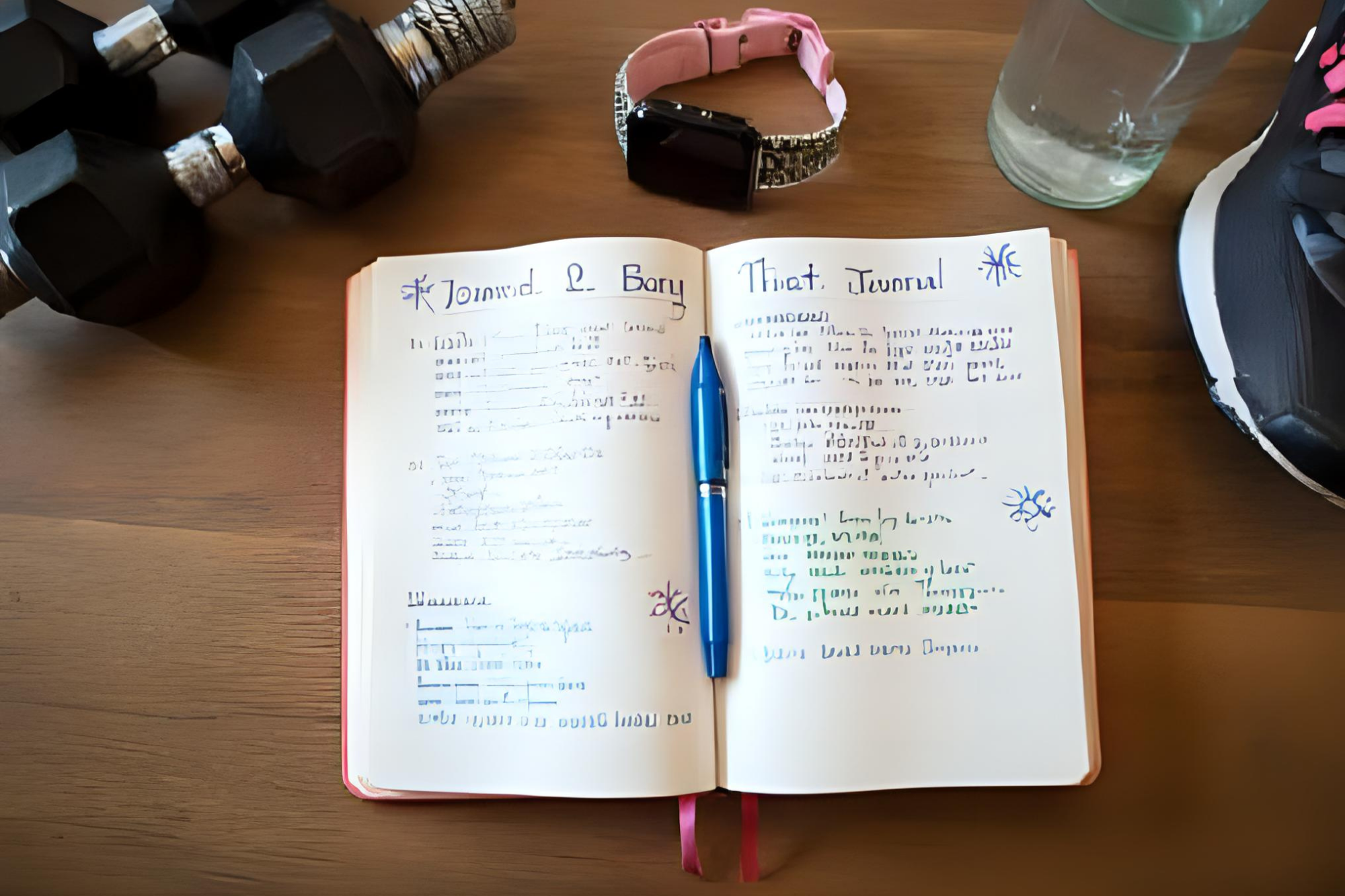
Fitness journaling is the practice of recording workouts, nutrition, progress, and reflections in a dedicated notebook or app. More than just logging reps and sets, it’s about documenting your fitness journey, celebrating milestones, and staying accountable. By writing down your experiences, you create a personal record that highlights both achievements and areas for growth. This makes fitness journaling a powerful tool for anyone serious about workout tracking and long-term wellness.

The value of fitness journaling lies in its ability to bring clarity and motivation. When you consistently track workouts, sleep, and nutrition, you begin to see patterns that can guide smarter decisions. Progress written down becomes proof of effort, helping you stay consistent and inspired. Journaling also encourages mindfulness, allowing you to reflect on how your body feels and responds to different routines. For those seeking fitness journal benefits, this practice offers both structure and self-awareness.

The benefits extend beyond physical performance. Tracking improvements in strength, endurance, or flexibility builds confidence, while noting challenges helps identify areas for adjustment. Fitness journaling also supports emotional well-being, combining discipline with reflection. Many find that writing about their workouts reduces stress and enhances focus, making it a form of fitness self-care. By integrating fitness journaling for motivation into your routine, you create a holistic approach to health.

Starting a fitness journal is simple yet transformative. Choose a format—whether a notebook, planner, or fitness app—and begin logging workouts with details like exercises, sets, reps, and duration. Add lifestyle factors such as sleep, hydration, and mood to capture the bigger picture. Reflect weekly on challenges and wins, and set short-term and long-term goals. Over time, your journal becomes a guidebook of resilience and self-care—a reminder that fitness journaling is not just about numbers, but about storytelling your growth and celebrating the journey.


If you’re ready to explore these practices more deeply, a CST visit with Kristi can be a wonderful next step.


Therapy for Toxins: Natural Detox Methods for Wellness

Explore therapy for toxins and natural detox methods. Learn how nutrition, hydration, rest, and lifestyle practices support your body’s natural detox systems for better energy, immunity, and clarity.

What Are Toxins?

Toxins are harmful substances that can come from both external sources (pollution, chemicals, processed foods) and internal sources (stress hormones, metabolic byproducts). Understanding toxins is the first step in effective detox therapy.

Why Detox Therapy Matters

Modern life exposes us to more toxins than ever. Therapy for toxins helps reduce the load on your body’s natural detoxification systems, supporting organs like the liver, kidneys, and skin.

Benefits of Detox Therapy

  • Improved energy and vitality

  • Clearer skin and healthier circulation

  • Better digestion and nutrient absorption

  • Mental clarity and reduced brain fog

  • Stronger immunity and resilience

Natural Detox Methods

  1. Nutrition therapy: Antioxidant-rich foods like leafy greens, berries, and cruciferous vegetables support liver detox.

  2. Hydration: Drinking water aids kidney and skin detoxification.

  3. Rest and sleep: Sleep is essential for brain detox and renewal.

  4. Movement: Exercise and sweating help eliminate toxins naturally.

  5. Functional medicine detox: Guided plans may include supplements or herbal aids.

  6. Medical detox (specific cases): Chelation therapy for heavy metals under medical supervision.

Detox therapy is not about extreme cleanses—it’s about sustainable, holistic detox practices that honor your body’s wisdom. By embracing nutrition, hydration, rest, and mindful lifestyle choices, you can reduce toxic load and restore balance.

Spirituality and the Need for Rest

What is Spiritual Rest?

Spiritual rest goes beyond physical sleep—it is the practice of surrendering to stillness and allowing the soul to reconnect with peace. Across traditions, rest is seen as sacred: a pause that opens space for divine presence, renewal, and trust in life’s rhythms.

Why Rest Matters Spiritually

  • Rest restores balance: Aligns body, mind, and spirit with natural cycles.

  • Rest deepens awareness: Creates space for meditation, prayer, and intuitive insight.

  • Rest honors creation: Reflects the sacred rhythm of work and pause found in nature.

  • Rest cultivates compassion: A rested spirit is more patient, kind, and open-hearted.

Benefits of Spiritual Rest

  • Clarity of mind: Enhances focus for spiritual practices.

  • Emotional resilience: Helps process feelings with gentleness.

  • Connection to self: Encourages authenticity and inner listening.

  • Sacred presence: Heightens awareness of life’s subtle beauty.

How to Practice Spiritual Rest

  1. Sabbath rituals: Dedicate weekly time to unplug and honor stillness.

  2. Mindful breathing: Use conscious breath to reset the nervous system.

  3. Nature immersion: Rest in the quiet presence of trees, rivers, or stars.

  4. Gentle rituals: Journaling, candle-lighting, or soft music create sacred space.

  5. Permission to pause: Affirm that rest is not indulgence—it is alignment.

Reflection

Spirituality teaches us that rest is not weakness but wisdom. It is the pause between notes that makes music possible, the silence that allows prayer to be heard, and the stillness that nourishes the soul. By embracing rest, we honor both our humanity and our divinity.

What is Yoga's Lion Pose

Lion Pose (Simhasana) is a playful yet powerful yoga posture that combines physical alignment with vocal release, helping practitioners embody courage, confidence, and emotional clarity.

What is Simhasana (Lion Pose)?

Simhasana, or Lion Pose, comes from the Sanskrit words simha (lion) and asana (pose). It is a posture with various descriptions. Try leaning forward from your knees, or sit on your heels or cross the ankles, place the hands firmly reversed on the ground or palms on knees, spread the fingers wide like claws, open the eyes wide, stick out the tongue, and exhale with a strong “haaa” sound—mimicking a lion’s roar.

This unique combination of posture, breath, and sound makes Simhasana one of yoga’s most expressive and energizing poses.

Why Practice Lion Pose?

Lion Pose is more than a physical stretch—it’s a symbolic release of inner tension. The roaring exhalation represents courage, fearlessness, and the ability to let go of inhibitions. It’s often used to:

  • Break through self-consciousness

  • Awaken confidence and vitality

  • Encourage playful energy in practice

In essence, Simhasana reminds us that yoga is not only about quiet stillness but also about expressive liberation.

Benefits of Lion Pose

Practicing Simhasana regularly offers both physical and emotional benefits:

  • Relieves tension in the face and throat: Helps relax jaw muscles, vocal cords, and facial expressions

  • Supports healthy breathing: Encourages deep exhalation and clears the throat

  • Boosts confidence and courage: Symbolically channels the lion’s fearless energy

  • Stimulates facial muscles: Improves circulation and can contribute to a youthful glow

  • Reduces stress and anxiety: The roar acts as a cathartic release of pent-up emotions

  • Activates chakras: Especially the throat (Vishuddha) and third eye (Ajna), enhancing communication and intuition

How to Do Lion Pose (Step-by-Step)

  1. Start seated: Kneel on the floor, sitting back on your heels (Hero Pose) or cross the ankles with the perineum resting on the heel.

  2. Place hands on knees or floor: Spread the fingers wide like claws, pressing firmly.

  3. Inhale deeply: Lengthen the spine, lifting through the crown of the head.

  4. Exhale with a roar: Open the mouth wide, stick out the tongue toward the chin, open the eyes wide, contract the throat muscles, and exhale with a strong “haaa” sound.

  5. Repeat 2–5 times: Return to neutral, then repeat for several rounds.

Lion Pose is a reminder that yoga is not just about quiet introspection—it’s also about expressing vitality, courage, and playfulness. By practicing Simhasana, you release tension, awaken confidence, and reconnect with your inner roar.

Nourish to Detox: How Everyday Foods Help Your Body Cleanse Naturally

Detox isn’t about expensive teas or extreme cleanses—it’s about giving your body the nutrients it needs to do what it already does best. Your liver, kidneys, gut, lungs, and skin are constantly working to filter, neutralize, and eliminate toxins. With the right foods, you can support these systems and feel more energized, balanced, and resilient.

Your Body’s Built-In Detox System

  • Liver: Breaks down harmful substances and metabolizes nutrients.

  • Kidneys: Filter blood and remove waste through urine.

  • Digestive Tract: Eliminates waste and supports healthy gut bacteria.

  • Skin & Lungs: Release toxins through sweat and breath.

Nutrition doesn’t replace these systems—it strengthens them.

Top Detox-Supporting Foods

  • Leafy Greens (Spinach, Kale, Arugula): Chlorophyll helps neutralize toxins and supports liver function.

  • Cruciferous Vegetables (Broccoli, Brussels Sprouts): Contain compounds that boost detox enzymes.

  • Berries: Rich in antioxidants to reduce oxidative stress.

  • Garlic & Onions: Sulfur compounds aid detox pathways.

  • Citrus Fruits: Vitamin C supports glutathione, a key detox molecule.

  • Green Tea: Catechins enhance liver function and fight free radicals.

Lifestyle Nutrition Habits

  • Hydration: Water is essential for kidney filtration.

  • Fiber-Rich Foods: Whole grains, legumes, and seeds bind and eliminate waste.

  • Limit Alcohol & Processed Foods: Reduce burden on detox organs.

  • Colorful Produce: Antioxidants protect cells from damage.

Sample Daily Detox Menu

  • Breakfast: Spinach smoothie with citrus and chia seeds.

  • Lunch: Quinoa bowl with broccoli, roasted garlic, and lemon dressing.

  • Snack: Handful of blueberries with green tea.

  • Dinner: Lentil stew with kale and onions.

Detox isn’t a one-time cleanse—it’s a daily act of nourishment. Each bite of vibrant, whole food is a reminder that your body is resilient, capable, and always working to keep you balanced. Think of nutrition as a ritual: a way to honor your body’s natural rhythms while embracing seasonal abundance.

Transparency & Risks

  • Detox supplements and extreme cleanses are often unsupported by science.

  • Your body detoxifies naturally—nutrition simply supports the process.

  • Extreme cleanses may cause nutrient deficiencies or dehydration.

  • Sustainable, balanced eating is the safest path to long-term wellness.


Check out our take on a dinner detox stew…

Autumn Rest: Reflective Release and Renewal

Autumn whispers of change. The air cools, leaves fall, and nature teaches us the art of letting go. Just as trees shed what no longer serves them, we too are invited to pause, reflect, and release. Autumn rest is not about inactivity—it’s about creating space for renewal, honoring transitions, and finding balance in the slowing rhythm of the season.

The Symbolism of Autumn Rest

  • Harvest: Gathering the fruits of our labor, celebrating abundance.

  • Release: Letting go of what is heavy, just as trees drop their leaves.

  • Transition: Preparing for winter’s deep restoration by slowing down.

Autumn reminds us that rest is a sacred act of trust—trusting that in letting go, we make room for new growth.

Practical Autumn Rest Practices

1. Gentle Movement

  • Swap high-intensity workouts for restorative yoga or slow walks among falling leaves.

  • Symbolism: moving with the rhythm of release, not resistance.

2. Warm Nourishment

  • Soups, stews, and herbal teas support digestion and comfort.

  • Ritual: sip tea mindfully, imagining warmth spreading through your body as a form of inner rest.

3. Reflective Journaling

  • Write about what you’re ready to release—habits, fears, or patterns.

  • Ritual: burn or bury written notes as a symbolic gesture of letting go.

4. Evening Rituals

  • Shorten your day with candlelight, cozy blankets, and quiet reading.

  • Symbolism: embracing darkness as a natural invitation to rest.

A Simple Autumn Ritual: “Leaf Release”

  1. Collect a fallen leaf.

  2. Hold it while reflecting on something you’re ready to let go.

  3. Whisper your intention into the leaf.

  4. Release it back to the earth—trusting nature to carry your burden away.

This ritual embodies the season’s wisdom: release is not loss, but transformation.

Autumn rest is a gentle invitation to slow down, reflect, and honor transitions. By embracing the season’s rhythms—harvest, release, and preparation—we align our bodies and spirits with nature’s wisdom. In letting go, we create space for renewal. In resting, we find resilience.


Yoga for Fitness

Yoga builds strength, flexibility, balance, and cardiovascular stamina while training breath control and body awareness. Used consistently, a short yoga-focused practice can complement running, lifting, or everyday movement by targeting mobility, core stability, and muscular endurance without high impact.

Quick warm-up (5 minutes)

  • Cat–Cow: 6–8 slow cycles to mobilize the spine.

  • Dynamic low lunge with arm reaches: 6 each side to open hips and shoulders.

  • Sun salutation A (2 rounds) to raise heart rate and link breath with movement.

Pose 1 — Chair Pose (Utkatasana)

  • How to: Stand with feet hip-width, bend knees and sink hips as if sitting, lift arms overhead, draw ribs in, weight in heels.

  • Fitness benefits: Builds quad and glute strength, challenges core stability, improves posture and muscular endurance.

  • Breath and timing: Inhale to lengthen; exhale to sink. Hold for 30–60 seconds or 5–8 breaths for strength sets.

  • Modifications and progressions:

    • Easier: Keep hands at heart and sit less deeply.

    • Harder: Pulse slightly up and down or lift heels for single-leg chair pulses.

  • Cue: Keep knees tracking over toes, tailbone tucked slightly, shoulder blades grounded.

Pose 2 — Warrior II (Virabhadrasana II)

  • How to: From a wide stance, turn front foot forward and back foot slightly in; bend the front knee over ankle, extend arms parallel to the floor, gaze over front hand.

  • Fitness benefits: Strengthens legs, opens hips, builds lateral stability and stamina, engages shoulders and upper back.

  • Breath and timing: Breathe steadily; hold 30–45 seconds each side or do 3 rounds of 20–30-second holds for endurance.

  • Modifications and progressions:

    • Easier: Shorten the stance and reduce knee bend.

    • Harder: Transition into high lunge pulses or add light hand weights to challenge shoulders.

  • Cue: Front knee stacked over ankle, back leg active and straight, torso upright.

Short sequence to combine both (15–20 minutes)

  1. Warm-up sequence above (5 minutes).

  2. Chair Pose hold: 45 seconds, release, repeat twice with 30 seconds rest.

  3. Sun salutation A or two dynamic lunges to reset.

  4. Warrior II flow: 3 rounds per side — step into Warrior II, hold 30 seconds, straighten to standing, repeat.

  5. Finish with 5 minutes of core-focused moves: 2 rounds of 30-second plank, 30-second side planks each side.

  6. Cool-down: Seated forward fold (1–2 minutes), supine twist (30 seconds each side), and Savasana (3–5 minutes).

Programming tips and safety

  • Frequency: 3–5 short sessions per week supports strength and mobility gains.

  • Combine with other training: Use yoga on active recovery days or as a warm-up before strength sessions.

  • Listen to your body: Avoid forcing depth into joints; prioritize alignment over appearance.

  • Injuries: Modify or skip poses that aggravate pain and consult a professional when necessary.

A focused yoga practice that blends Chair Pose and Warrior II trains functional strength, endurance, and balance without heavy equipment. Keep sessions brief and consistent, and adjust intensity by changing hold durations, repetitions, or adding small progressions to continue improving fitness.

Using Water in Supportive Care for Influenza

Water and water-based therapies are valuable supportive tools for easing flu symptoms, promoting comfort, and helping the body stay resilient while fighting infection.

Hydration as a Foundation

Staying well-hydrated helps maintain mucous membrane moisture in the nose, mouth, and throat and prevents dehydration from fever or sweating; drinking fluids, including water, herbal tea, and warm broths, is a simple, effective supportive practice during influenza.

Steam, Humidification, and Airway Comfort

Inhaling warm, moist air from a humidifier or brief steam exposure can soothe irritated airways, loosen mucus, and reduce coughing discomfort; using a cool-mist or warm-mist humidifier and keeping indoor humidity at comfortable levels supports breathing comfort.

Saline Rinses and Gargles for Symptom Relief

Saltwater nasal rinses and saline gargles help clear nasal passages and soothe sore throats, offering a low-risk, water-based way to reduce congestion and irritation.

Warm Liquids and Broths for Soothing and Nutrition

Warm broths, soups, and herbal teas provide gentle hydration, electrolytes, and comforting warmth that can ease throat pain and support appetite while resting and recovering.

Hydrotherapy and Restorative Practices

Gentle hydrotherapy approaches—such as warm baths, sponge baths for fever management, or a brief warm shower—can support comfort, relaxation, and sleep when used appropriately and with attention to temperature and safety.

When to Seek Medical Care

Antiviral medications can shorten illness and reduce complications for some people with influenza; prompt evaluation by a health professional is important if symptoms are severe, prolonged, or if you are in a higher-risk group.

Practical Safety Notes

  • Prioritize rest and gradual rehydration rather than forcing large fluid volumes at once.

  • Use humidifiers and steam safely to avoid burns and mold growth; follow manufacturer guidance.

  • If water-based remedies increase coughing, breathing difficulty, high fever, or other concerning signs, contact a clinician promptly.

Recommendation

Use water thoughtfully as part of a supportive symptom-care plan—hydration, steam, saline rinses, warm broths, and gentle hydrotherapy can increase comfort and help recovery while you follow medical advice and rest.

Night Pages for Better Sleep

It’s 11:12 p.m., the house is quiet, and your mind is replaying the same three worries on loop. You curl up with a notebook, set a ten-minute timer, and let the pen move. Ten minutes later the loop has loosened, there’s a concrete small task on tomorrow’s list, and sleep arrives more easily. That is the shape of Night Pages: a short, gentle journaling ritual designed to clear the mind, settle the body, and cue rest.

Why this works

Night Pages is brief and intentional, aimed at interrupting rumination and moving scattered thoughts into a tidy place before bed. It pairs simple structure with somatic grounding so your nervous system receives a clear signal: the day is contained, worries are noted, and rest is allowed. The practice is low-effort, adaptable, and safe to use most nights.

10-minute Night Pages template

  1. Breathe for one minute: inhale for 4, hold 1, exhale 6.

  2. Stream 3 minutes of “brain dump”: write whatever comes to mind without editing.

  3. One-sentence closure (1 minute): summarize the brain dump in one sentence.

  4. Action list (2 minutes): write 1–3 tiny tasks you can do tomorrow to ease the biggest worry.

  5. Gratitude anchor (1 minute): list one small thing from today you’re grateful for.

  6. Soothing intention (1 minute): write a short phrase to carry into sleep (example: “I will rest and restore”).

Use a timer and a pen you enjoy. If five minutes is all you have, do step 1, a 2-minute brain dump, and the one-sentence closure.

Micro-practices to pair with writing

  • Place a warmed lavender sachet or a cup of herbal tea nearby to signal comfort.

  • After step 1, do a 60-second body scan: notice feet, calves, thighs, belly, chest, shoulders, neck. Relax each area as you breathe.

  • If thoughts feel overwhelming, write them as third-person observations (“My mind notices fear about X”) to create psychological distance.

A brief example story

One reader, exhausted from a week of heavy caregiving, used Night Pages three nights in a row. She wrote down vivid worries, then listed two tiny tasks — "set alarm for 7:15" and "email clinic for refill" — which shifted the sense of urgency into actionable items. By night three she reported falling asleep faster and waking with less pressured thinking, not because the problems vanished but because they were no longer looping in the dark.

Safety and pacing notes

  • This practice is supportive but not a substitute for professional care. If writing brings up intense memories or strong distress, pause and consider speaking with a clinician.

  • Use the one-sentence closure as an exit strategy when a prompt feels too heavy; keep the emphasis on small, manageable steps.

  • Night Pages is about containment, not excavation—avoid deep trauma processing at bedtime.

Variations and progression

  • Quick reset (5 minutes): breathe, 2-minute brain dump, one tiny task.

  • Deep settle (20–30 minutes): add a 10-minute reflective prompt (e.g., “Where did I feel most alive today?”) and a longer body scan.

  • Shared Night Pages: swap only the gratitude anchor with a partner or housemate to cultivate connection without burdening sleep time.

Tonight: set a ten-minute timer, follow the Night Pages template, and notice one small shift in how your body or mind feels afterward. If you try it and feel comfortable sharing, post a short note about what changed or what made the practice easier for you—your experience might gently encourage someone else.