
Keep Moving When It’s Hot: 2 Simple Fitness Exercises for Summer Heat

As the sun scorches and humidity wraps the air like a damp towel, motivation to exercise can feel like it’s melting. But movement doesn’t have to mean intensity or sweat-soaked struggle. It can be gentle, intentional, and seasonally smart.

Here are two simple yet effective exercises—one for inside, one for outside—that keep your fitness flowing without overheating.

Indoors: Standing March with Arm Swings
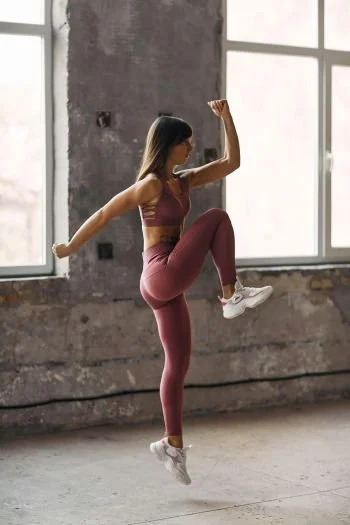
Skip the floor work and heavy equipment. This no-impact move gets the heart gently pumping and activates major muscle groups.

What to Do:

  • Stand tall with feet hip-width apart

  • March in place, lifting knees slightly

  • Swing arms in opposition (right arm with left knee, and vice versa)

  • Keep rhythm steady, breathing naturally

Duration: 1–2 minutes per set, repeat 3–5 times Benefits:

  • Boosts circulation and cardio without stress

  • Supports coordination and core stability

  • Easy to do in air-conditioned comfort

Make it mindful: Sync movement with breath—inhale on left, exhale on right. Add affirmations like: “I stay cool and steady as I strengthen.”

Outdoors (Shade-Friendly): Seated Chair Squats

Grab a sturdy bench or chair under a tree, and let nature help you root into strength.

What to Do:

  • Stand in front of the seat, feet hip-width apart

  • Lower into a squat until your hips tap the seat—don’t rest, just hover

  • Rise back up, pressing through the heels

  • Keep chest lifted and shoulders relaxed

Reps: 10–15 per set, repeat up to 3 sets Benefits:

  • Builds lower body strength and stability

  • Engages core and posture muscles

  • Perfect for shaded porches, parks, or breezy backyard corners

Add intention: As you lower and rise, visualize resilience: “I ground down to rise up.”

Summer Movement Tips

  • Timing matters: Move during early morning or late evening when heat is lower

  • Hydrate well: Before, during, and after—even short sessions

  • Dress light: Breathable fabrics and sun protection keep you cool

  • Honor your rhythm: Some days call for gentleness, not hustle

Whether it’s a soft indoor march or a rooted outdoor squat, the key to hot-weather fitness is adaptation, not avoidance. Move with the season, not against it—and let each step carry you toward strength with grace.

Contact Kristi to see if CST by be helpful for you

Breath by Breath: How Craniosacral Therapy Supports People with Cystic Fibrosis

Cystic Fibrosis is a complex, genetic condition that affects the lungs and digestive system, making even everyday breathing a labor of effort. While medical management is essential, many individuals are turning to complementary therapies to ease the burden on their bodies and minds. One quietly powerful option is Craniosacral Therapy (CST)—a gentle, hands-on healing approach that works with the rhythms of the body to support healing and regulation.

So what does CST offer someone living with CF? At its heart: spaciousness, stillness, and a chance to reconnect with the breath.

What Is Craniosacral Therapy?

Craniosacral Therapy is a light-touch manual therapy that focuses on the craniosacral system—a network of membranes and cerebrospinal fluid surrounding the brain and spinal cord. Practitioners tune into subtle rhythms and imbalances in the body, using gentle techniques to release tension and enhance the body's ability to self-regulate.

Although soft and non-invasive, CST can have profound effects on:

  • Nervous system regulation

  • Respiratory ease

  • Emotional release

  • Lymphatic and fluid flow

Why CST for Cystic Fibrosis?

For people with CF, physical symptoms often involve:

Chronic lung infections

Thick mucus buildup

Breathing difficulty

Fatigue and pain

CST supports the body’s resilience in coping with the condition. Here's how:

Easing Respiratory Restrictions

By releasing fascia tension around the rib cage, diaphragm, and thoracic spine, CST can promote freer movement and enhance breath capacity. Practitioners may gently work around the sternum, neck, and cranial base, creating subtle space and encouraging smoother respiratory mechanics.

Supporting Lymphatic Drainage

CF impacts mucus viscosity and clearance. CST helps improve overall fluid dynamics, supporting lymphatic and sinus drainage through techniques around the neck, face, and clavicle area. This may reduce facial pressure and congestion over time.

Calming the Nervous System

Living with CF is physically and emotionally taxing. CST invites the parasympathetic nervous system to activate—slowing heart rate, deepening breath, and reducing stress hormones. This calming response enhances overall wellness and coping ability.

Encouraging Emotional Processing

Gentle touch combined with SomatoEmotional Release (SER)—a CST technique—may help clients release trauma or grief stored in the body, creating space for emotional restoration and acceptance.

What a Session Looks Like

Sessions typically last 45–60 minutes and are conducted fully clothed. Here’s a glimpse of what it feels like:

  • The client lies on a massage table, often supported with pillows for comfort

  • The practitioner makes light contact—often beginning at the feet or head

  • Touch is subtle and non-invasive, tuning into internal rhythms

  • Areas worked on may include the head, neck, shoulders, sacrum, or diaphragm

  • Clients often enter deep relaxation, experiencing warmth, tingling, or emotional release

  • Each session is highly individualized, meeting the client where they are physically and emotionally.

Craniosacral Therapy isn’t a replacement for medical care—it’s a supportive thread in the wellness tapestry. For people with Cystic Fibrosis, it offers gentle space: space to breathe, to release, to feel. It’s a reminder that healing isn’t always forceful—it can be quiet, rhythmic, and deeply intuitive.

Contact Kristi to See About CST for You

Rooted Strength: Embodying Summer Boldness in Warrior II Pose

As summer heat ripples across landscapes and lives grow more kinetic, we’re reminded to not just chase the horizon—but to root into the present. Enter Warrior II Pose, the archetype of boldness and balance. Unlike Warrior I, which shoots forward with ambition, Warrior II teaches us to stretch wide and stand strong with a grounded gaze.

This pose channels quiet intensity—the kind you feel when the sun is high, your feet are planted, and your mind sharpens like a blade.

Anatomy of the Pose

Warrior II invites spacious stability. Here's what it looks like in motion:

  • Front foot points forward; back foot grounds at a diagonal

  • Front knee stacks above ankle, bent in strength

  • Arms stretch wide at shoulder height, parallel to the earth

  • Gaze drifts over the front hand—steady and observant

It’s a shape of expansion and awareness, anchoring the body while opening the chest like a summer bloom.

Summer Symbolism

In seasonal language, Warrior II mirrors late summer energy:

Fire element: igniting courage, digestion, and drive

Sun saturation: awareness from crown to heel

Wide horizons: echoing fields, lakesides, and long days

Imagine practicing Warrior II in warm morning light—your fingertips tracing sunbeams, your heels kissing the ground like old friends.

Mental & Emotional Benefits

Beyond the physical, Warrior II fosters:

  • Confidence and resolve

  • Mental clarity and focus

  • Breath awareness under intensity

  • Emotional courage when facing transition or challenge

This is the posture you return to when you need to remind yourself: “I am steady, spacious, and strong.”

Thematic Variations

For creative integration or class planning, explore these themed sequences:

Theme Description

“Fire & Focus” Pair with Plank, Boat, and core-strengthening poses

“Open Horizons” Link Warrior II with Triangle and Extended Side Angle

“Bold in Stillness” Hold Warrior II for longer, tuning into breath cycles

Layer in summer music, grounding scents like vetiver or sandalwood, and perhaps journal prompts like:

Where in my life am I called to widen my stance and strengthen my gaze? What does boldness look like when it’s quiet and rooted?

Closing Thought

Warrior II doesn’t rush. It doesn’t chase. It holds. With open arms and anchored feet, it reflects the spirit of summer—bright, bold, and balanced.

Find your Warrior with Kristi at Amakuasana Yoga Class

Summer on a Plate: 6 Nostalgic Picnic Foods with a Healthy Twist

There’s something magical about picnic season—the gingham blanket, the hum of cicadas, and the smell of sunshine on sliced watermelon. And let’s be honest: many of us still get a little misty-eyed thinking about the deviled eggs, chilled Jell-O, or that one aunt’s mysterious but beloved seven-layer salad.

This summer, why not bring those beloved bites back—with a modern (and slightly healthier) glow-up?

1. The Deviled Egg, Reimagined

Still creamy and satisfying—but now with a Greek yogurt base instead of mayo. Add chopped dill pickles or a dusting of smoked paprika for a flavor boost your younger self would never have seen coming.

2. Pasta Salad, but Make It Fiber-Fabulous

Swap traditional white pasta for a chickpea or whole wheat version. Toss in roasted cherry tomatoes, arugula, and a splash of balsamic for that ‘grown-up but still fun’ vibe.

3. Watermelon Slices, Elevated

Sprinkle fresh watermelon with crumbled feta, mint leaves, and a drizzle of lime. It’s refreshing, sweet, salty, and… well, kind of genius.

4. Ants on a Log—Grown-Up Edition

Still loving the crunch of celery with peanut butter? Add a twist with almond butter, goji berries, and a sprinkle of cinnamon. It’s a nod to childhood with a health-halo.

5. Jell-O, But Make It Fruit-First

Trade the neon wobbles for a fruity chia seed pudding layered in mason jars with fresh berries. Chill overnight and top with toasted coconut before serving under the stars.

6. Lemonade with a Boost

Keep the memory of the lemonade stand alive, but spike it with vitamin C (like fresh-squeezed citrus + a hint of ginger or turmeric). Serve in mason jars with striped straws—because some things should never change.

The Takeaway: Summer flavors don’t have to be all-new to be refreshing. By remixing those classic picnic foods, you get the best of both worlds: nostalgia and nourishment. Now grab the sunscreen, the playlist, and your basket—it’s picnic time.

Unwinding What the Body Remembers: An Introduction to SomatoEmotional Release

We often think of emotional healing as something that happens in the mind. But what if the body remembers too?

SomatoEmotional Release (SER) is a gentle, intuitive therapy that helps the body let go of emotional energy stored in tissue—memories, patterns, or traumas we may not even realize we’re still carrying. Rooted in CranioSacral Therapy (CST) and developed by Dr. John Upledger, SER offers a bridge between physical and emotional healing, using subtle touch and mindful presence to support release and integration.

What Happens in an SER Session?

An SER session is quiet, deeply restorative, and often profoundly moving. The practitioner uses light, sustained touch to tune into the body’s natural rhythms, especially the craniosacral system (which includes the membranes and fluid surrounding the brain and spinal cord). As restrictions in the tissue are identified, emotional energy sometimes surfaces—memories, sensations, or emotions that are gently held rather than pushed.

Through supportive dialogue (if the client chooses), visualization, or simple stillness, the body is encouraged to release these imprints, often referred to as "energy cysts." The process is led by the client's own inner wisdom, and nothing is forced.

What Might Be Released?

  • Residual emotions from past trauma or injury

  • Repetitive thought loops or belief patterns

  • Physical tension linked to emotional stress

  • A deep sense of grief, fear, or anger that’s been held long-term

People often report feeling lighter, clearer, or more connected to themselves after an SER session. Sometimes, there are tears. Other times, just silence and release.

Who Might Benefit?

  • Those healing from trauma—physical or emotional

  • Anyone feeling “stuck” despite talk therapy or bodywork

  • People experiencing chronic tension or pain with no clear source

  • Individuals seeking deeper mind-body integration in their wellness practice

A Gentle Companion to the Healing Journey

SER isn’t about revisiting trauma—it’s about releasing it. It offers a safe, body-centered approach that honors your pace and your story. The process is deeply respectful, recognizing that healing happens in layers.

You don’t need to “figure it all out.” Your body already knows where it’s been—and what it’s ready to let go of.

Sip Happens: Stay Cool and Hydrated This Summer

When the sun’s blazing and the air feels like soup, water isn’t just refreshing—it’s essential. Staying hydrated helps your body keep cool, boosts your energy, and even sharpens your focus. Yet, when we’re busy or distracted, it’s easy to forget to sip.

Here are simple tips to help you stay hydrated all day—no nagging required:

1. Start Your Day with a Glass

Think of water as your body’s morning coffee. Before you reach for caffeine, drink a full glass to kickstart your system and replace moisture lost overnight.

2. Keep It Where You Can See It

Out of sight, out of mind, right? Keep a water bottle on your desk, in your bag, or even by your yoga mat. The visual cue is often enough to remind you to sip.

3. Add a Splash of Flavor

If plain water feels like a chore, jazz it up! Add slices of citrus, berries, mint, or cucumber for a refreshing twist that keeps things interesting.

4. Set a Gentle Reminder

Use phone alarms, hydration apps, or even sticky notes. Try renaming your water bottle to “energy potion” if it helps—it’s cheesy, but it works.

5. Eat Your Water

Think watermelon, cucumbers, oranges, and lettuce. These water-rich foods can boost hydration while you snack.

6. Match Water with Activity

Every time you do something routine—finish a meeting, take a break, check your phone—pair it with a few sips. Habit stacking is surprisingly powerful.

Hydration isn’t about perfection—it’s about mindfulness. A few small sips throughout the day go a long way toward keeping your body and brain happy in the heat.

Counseling journaling: writing about one's counseling sessions, insights, and homework assignments.

Therapy doesn't end when the session does. Often, the real magic unfolds in the quiet moments afterward—when we process, reflect, and begin to apply what we’ve uncovered. That’s where counseling journaling comes in.

This mindful habit is more than jotting down thoughts—it's a bridge between your sessions, a space to deepen your insights, track your emotional growth, and stay engaged with your healing journey.

Why Counseling Journaling Matters

Counseling journaling helps anchor the lessons and breakthroughs you experience with your therapist. By putting thoughts into words, you not only capture fleeting insights but also practice self-awareness and emotional regulation in real time.

Some benefits of keeping a counseling journal:

  • Reinforces insights and “aha” moments

  • Helps track patterns, progress, and emotional triggers

  • Supports accountability for therapy goals and homework

  • Creates a safe space for expression between sessions

What to Write in Your Therapy Journal

Not sure where to begin? Try these gentle prompts:

  • “What stood out to me in today’s session?”

  • “How did I feel before, during, and after therapy?”

  • “What homework did I receive, and how can I begin?”

  • “What emotions or thoughts have resurfaced lately?”

  • “What would I like to explore more next time?”

You don’t have to write long entries or be a polished writer. Even a few honest sentences can be powerful.

Tips to Make It Stick

  • Keep it handy: Whether it’s a notebook, phone app, or Google Doc, make your journal easy to reach.

  • Set a mini routine: Try writing right after your session or before bed.

  • Be kind to yourself: No judgment, no filters—just authenticity.

  • Include your wins: Celebrate progress, no matter how small.

A Gentle Encouragement

Therapy is a process—a courageous one. And your words? They’re part of the unfolding. Counseling journaling can help you witness your own growth, one page at a time.

The Power of Connection: How Socializing Boosts Mental Fitness

In today’s high-speed world, mental well-being is as essential as physical health. While mindfulness and exercise are often highlighted in discussions about wellness, social interaction plays an equally critical role in building mental strength. Humans are naturally social beings, and engaging with others can alleviate stress, boost cognitive abilities, and enhance overall happiness.

Recent research underscores the significant influence of social ties on mental health. The CDC reports that in 2021, 82% of U.S. adults felt they received the necessary social and emotional support, marking a notable rise from past years.* Nevertheless, loneliness is an increasing issue, with many finding it challenging to sustain strong social bonds.

This post delves into the science linking socializing with mental fitness, offering insights into how cultivating relationships can lead to a healthier, happier life.

The Science of Socializing and Mental Fitness

How Socializing Impacts the Brain

Participating in social activities activates brain regions associated with emotional control, memory, and problem-solving. During interactions, the brain releases oxytocin and dopamine, which foster feelings of trust and joy.

Moreover, socializing can lower cortisol levels, the hormone linked to stress. Research indicates that those with robust social networks experience reduced anxiety and depression, highlighting the value of nurturing significant relationships.

The Benefits of Socializing for Mental Fitness

  • Reduces Stress and Anxiety: Emotional support from social interactions aids in navigating life's hurdles. Whether through heartfelt talks with friends or casual chats with colleagues, connecting with others can ease stress and encourage relaxation.

  • Enhances Cognitive Function: Conversations, debates, and teamwork stimulate brain activity, enhancing memory and problem-solving skills. Studies suggest that those with strong social ties are less prone to cognitive decline as they grow older.

  • Boosts Mood and Happiness: Being with loved ones triggers the release of endorphins, the body's natural mood lifters. Through laughter, shared moments, or emotional support, socializing cultivates a sense of belonging and joy.

  • Encourages Healthy Habits: Social connections often shape lifestyle choices. Individuals with strong support networks are more inclined to exercise, eat healthily, and prioritize self-care, contributing to overall well-being.

Practical Ways to Strengthen Social Connections

  • Prioritize Face-to-Face Interactions: While digital communication is handy, in-person meetings build deeper bonds. Schedule coffee dates, group activities, or family gatherings.

  • Join Social Groups or Clubs: Participating in community events, hobby groups, or fitness classes can connect you with like-minded people, broadening your social network.

  • Practice Active Listening: Building strong relationships requires active engagement. Show genuine interest in conversations, ask insightful questions, and provide support when needed.

  • Maintain Regular Communication: Consistency is vital. Whether through phone calls, video chats, or meet-ups, keeping in touch strengthens relationships and prevents isolation.

Socializing transcends mere leisure—it’s a core component of mental fitness. Strong social ties diminish stress, boost cognitive function, and elevate happiness, making them vital for a fulfilling life.

As we face the challenges of modern life, prioritizing meaningful interactions can transform our mental well-being. Through friendships, family bonds, or community involvement, nurturing connections is a powerful means of sustaining mental resilience.

By embracing the strength of connection, we can foster a healthier, happier, and more mentally fit existence.

How can you integrate more meaningful social interactions into your daily routine?

What steps can you take to nurture your current relationships and form new ones?

Try Connecting at our Group Yoga

Boat Pose, Paripurna Navasana: Strengthening Your Core and Mind

Yoga goes beyond being a mere physical activity—it's a journey toward balance, strength, and mindfulness. Among the various poses that test both body and mind, the Boat Pose stands out as a powerful core-strengthening position that enhances stability, focus, and endurance.

This pose, frequently included in yoga routines aimed at building abdominal strength, is more than just a workout for your midsection. It involves the hip flexors, spine, and deep stabilizing muscles, making it a vital posture for enhancing posture, digestion, and overall body awareness.

In this comprehensive guide, we'll delve into the benefits, techniques, and practical ways to integrate Boat Pose into your routine, utilizing both online and offline methods to deepen your practice.

Understanding Boat Pose

The Meaning Behind the Pose

The Sanskrit term Paripurna Navasana translates to "Complete Boat Pose," symbolizing the shape of a boat floating on water. The posture demands balance, core engagement, and breath control, making it a dynamic pose that strengthens both body and mind.

Key Benefits of Boat Pose

  • Core Strength: Engages abdominal muscles, boosting stability and endurance.

  • Improved Posture: Strengthens the spine and lower back, reducing slouching.

  • Enhanced Digestion: Stimulates digestive organs, promoting gut health.

  • Mental Focus: Requires concentration and breath control, fostering mindfulness.

How to Perform Boat Pose

Step-by-Step Guide

  • Starting Position

  • Sit with your legs extended in front of you. Keep your spine tall and shoulders relaxed.

  • Engage Your Core

  • Lean back slightly while keeping your chest elevated. Activate your abdominal muscles.

  • Lift Your Legs

  • Bend your knees and lift your feet off the ground, aligning your shins parallel to the floor.

  • Extend Your Arms

  • Reach your arms forward, keeping them parallel to the ground with palms facing inward.

  • Straighten Your Legs (Optional)

  • If comfortable, extend your legs fully, forming a V-shape with your body.

  • Hold and Breathe

  • Maintain the pose for 15-30 seconds, breathing deeply and keeping your core engaged.

  • Release Gently

  • Lower your legs and return to a seated position with control.

Practical Implementation: Online and Offline Methods

Online Methods

  • Follow Guided Video Tutorials

    • Platforms like YouTube offer step-by-step instructions from experienced yoga teachers.

  • Use Yoga Apps

    • Apps like Alo Moves and Cosmic Kids Yoga provide structured sequences incorporating Boat Pose.

  • Join Virtual Yoga Classes

    • Live-streamed classes offer real-time feedback and interaction with instructors.

Offline Methods

  • Practice with a Yoga Instructor - CHECK OUT KRISTI’S YOGA CLASS IN WALLA WALLA

  • Attending in-person classes ensures proper alignment and personalized guidance.

  • Use a Mirror for Self-Correction

  • Practicing in front of a mirror helps refine posture and balance.

  • Incorporate Props

  • Using yoga blocks or straps can assist in maintaining stability while building strength.

Boat Pose is more than just a core exercise—it's a gateway to strength, balance, and mindfulness. Whether practiced online through guided tutorials or offline with personal adjustments, this pose offers physical and mental benefits that extend beyond the yoga mat.

  • How can you integrate Boat Pose into your daily routine to enhance core strength and focus?

  • What offline techniques can you use to refine your posture and balance in this pose?

By embracing the challenge of Boat Pose, you cultivate resilience, stability, and a deeper connection to your body. Ready to embark on your yoga journey?

Try Yoga with our Group

Spring into Fitness: Embrace the Season with Energizing Exercise Strategies

As the gentle warmth of spring comes into full blossom, it's the perfect time to revitalize your fitness routine and embrace the outdoors. The beauty of late spring offers a unique opportunity to engage in exercise that not only boosts physical fitness but also enhances overall well-being. In this post, we will explore three effective strategies to maximize your fitness in late spring, balancing both online and offline methods to cater to diverse preferences. Let's dive into these strategies that will help you spring into action.

Strategy 1: Outdoor Circuit Training

Why Outdoor Circuit Training?

Spring is synonymous with renewal, and what better way to renew your fitness routine than by stepping outside? Outdoor circuit training is an excellent way to build strength, improve endurance, and enjoy the fresh air. According to the American Council on Exercise, incorporating outdoor elements into your workout can enhance mood and motivation, with people feeling 20% more energized when exercising outdoors compared to indoors.

How to Implement Outdoor Circuit Training

  • Design Your Circuit: Choose 5-7 exercises that target different muscle groups. For example, squats, push-ups, lunges, planks, and jumping jacks are great foundational movements.

  • Select Your Location: Parks, beaches, or even your backyard can serve as the perfect backdrop. Ensure the area is safe and has enough space for your movements.

  • Set Your Timing: Perform each exercise for 30-60 seconds with minimal rest in between. Repeat the circuit 2-3 times.

Real-World Example

Consider Jane, who found her love for fitness by creating an outdoor circuit in her local park. She used park benches for tricep dips, trees for wall sits, and open spaces for sprints. This approach not only improved her physical fitness but also allowed her to connect with nature, reducing her stress levels significantly.

Strategy 2: Virtual Fitness Challenges

Why Virtual Fitness Challenges?

Incorporating technology can add a fun and competitive edge to your fitness routine. Virtual fitness challenges leverage online platforms to connect individuals worldwide, fostering a sense of community and accountability. According to Statista, there was a 30% increase in the use of fitness and health apps in 2023, illustrating the growing popularity of digital fitness solutions.

How to Participate in Virtual Fitness Challenges

  • Select a Challenge: Platforms like Strava or MyFitnessPal offer challenges ranging from step counts to running distances. Choose one that aligns with your fitness goals.

  • Engage with the Community: Share your progress, motivate others, and celebrate achievements within the challenge community.

  • Track Your Progress: Use fitness trackers or apps to monitor your milestones and improvements.

Real-World Example

Meet Carlos, who joined a virtual 5K challenge with friends scattered across different cities. The challenge kept him motivated and accountable, ultimately helping him achieve a personal best time. The camaraderie and friendly competition made fitness a fun and rewarding experience.

Strategy 3: Mindful Walking Practices

Why Mindful Walking?

Mindful walking combines the physical benefits of walking with the mental advantages of mindfulness. This practice can enhance overall well-being by reducing stress, increasing focus, and improving emotional health. Research from Harvard Health indicates that regular walking can lower the risk of heart disease by 30%.

How to Practice Mindful Walking

  • Set an Intention: Decide what you want to gain from your walk, whether it's relaxation, reflection, or physical exercise.

  • Focus on Your Surroundings: Engage your senses by noticing the sights, sounds, and smells around you.

  • Control Your Breathing: Take deep, deliberate breaths to center your thoughts and enhance mindfulness.

Real-World Example

Emily, a busy professional, started incorporating mindful walking into her daily routine. By focusing on the rhythm of her footsteps and the beauty of her surroundings during her lunch breaks, she noticed an improvement in her productivity and a reduction in her stress levels.

Embracing the vibrancy of late spring through these diverse exercise strategies can significantly enhance your fitness journey. Whether you prefer the invigorating challenge of outdoor circuits, the connectivity of virtual challenges, or the peacefulness of mindful walking, there’s something for everyone. Remember, the key to a successful fitness routine is consistency and finding joy in the process.

As you consider these strategies, reflect on these questions: How can you make exercise a more enjoyable part of your routine? What new fitness goal will you set for yourself this spring?

By integrating these practices into your life, you not only work towards a healthier body but also cultivate a more balanced state of mind, ultimately enhancing your overall well-being.

Need focus - try CST